E-mail Us at [email protected]
Call Us at Wingtu Pet | Whatsapp +1- 626 734 5510

Get A Quote
When you see your dog walking with its neck hunched, coughing or trying to break free from the chest harness, these could all be signs that you have chosen the wrong gear.
As pet owners, we often underestimate the importance of a suitable chest harness. It is not only about comfort, but also directly affects the dog’s physical health and obedience. There are a wide variety of products on the market, with prices ranging from tens to thousands of yuan. How can one avoid paying the “tax on intelligence” and choose truly suitable equipment for their beloved dog?
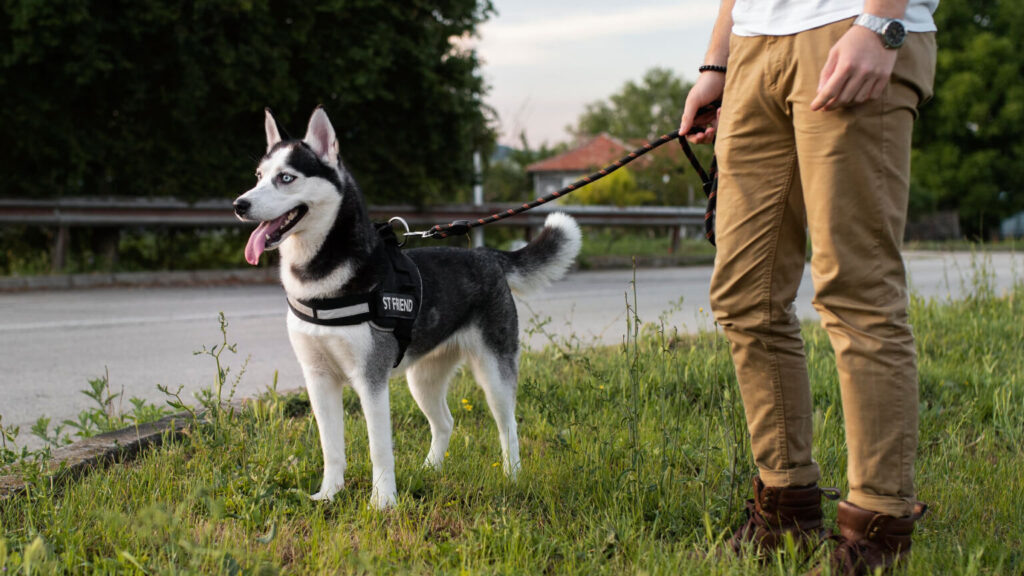
Why is the choice of chest and shoulder straps so important?
An inappropriate chest strap may cause triple harm:
- Tracheal injury: A chest strap that is too narrow or improperly positioned can cause dogs to cough and have difficulty breathing. In the long term, it may lead to irreversible tracheal damage.
- Gait issues: Designs that restrict the movement of the shoulder blades can affect a dog’s natural gait and may lead to musculoskeletal problems in the long term.
- Skin abrasion: Rough or poorly fitting chest straps can rub against the skin, causing hair loss or even trauma.
The three major missions of Good Chest straps:
- Ensure the freedom and safety of movement
- Enhance the efficiency of communication between humans and pets
- Adapt to the unique body shape and needs of dogs
Why is it so difficult to choose the right chest and shoulder straps?
The current chaotic situation of the market:
The “universal” chest and shoulder straps are actually not universal, just as there can never be “one pair of shoes that suits everyone” for humans. The deep chest of the German Shepherd, the short legs of the Corgi, and the slender figure of the Poodle all require special consideration for each body type.
The key overlooked factors:
- The types of activities: The demands for urban walking and mountain hiking are completely different
- Growth and change: The needs of puppies, adult dogs and senior dogs change with age
- Behavioral characteristics: Dogs with the habit of violent charging require special design
Measurement difficulty
More than 60% of pet owners are unable to accurately measure their dogs’ key dimensions, leading to purchasing mistakes. The three elements of neck circumference, chest circumference and weight are all indispensable, and the measurement methods must be correct.
How to Make a Scientific Choice: Four Steps to Lock in the Best Solution
The first step: Precise measurement to establish a database
Three core data points that must be obtained:
- Neck circumference: The circumference of the thickest part of the neck
- Chest circumference: The circumference of the widest part of the posterior edge of the front legs
- Weight: Current accurate weight
Professional measurement techniques:
- Use a flexible ruler instead of a straight ruler
- Keep the dog standing instead of sitting or lying down
- Make sure the hair is flat when measuring
- Reserve 2 to 3 fingers of space, but no more than 5 centimeters
Step 2: Match the body type with the characteristics of the breed
Exclusive solutions for small dogs (Chihuahuas, Pomeranians, etc.) :
- Choose a lightweight design with a weight of less than 100 grams
- Give priority to the tracheal protection structure
- Avoid overly wide and heavy styles
Medium-sized dog solutions (Corgis, Border Collies, etc.) :
- Balance strength and comfort
- Pay attention to the special ratio of body length to leg length
- Consider the heat dissipation requirements for high activity levels
Professional configuration for large dogs (Golden Retrievers, German Shepherds, etc.) :
- Choose high-strength fabrics with a strength of 600D or above
- Make sure the fasteners are brand accessories (such as ITW Nexus)
- A multi-point force distribution design is required
Special Body Shape Customization Guide:
- Dachshund: An extended version that avoids abdominal friction
- French bucket/English Bucket: Adjustable design with a large difference between the neck and chest
- Pendent type: A special style designed specifically for deep breasts
Step 3: Precise matching based on the type of activity
Daily strolling type
- Y-shaped or H-shaped chest straps are preferred
- Pay attention to all-weather comfort
- Consider the convenience of putting on and taking off
Training-corrected type
- The chest buckle design effectively reduces sudden impact
- Cooperate with positive training methods
- Choose wear-resistant and chewable materials
Outdoor adventure type
- Waterproof and quick-drying functions are essential
- Multi-traction point design (back and chest)
- High visibility colors or reflective strips
Urban lifestyle
- Norwegian-style chest and shoulder straps balance aesthetics and functionality
- Moderate control
- Fashionable appearance design
Step 4: Control the quality details
Material inspection standards
- Outer layer: Nylon with a wear resistance of over 600D
- Inner lining: Breathable mesh fabric, moisture-wicking and sweat-absorbing
- Fasteners: Smooth opening and closing without burrs
Mandatory safety feature checks
- 360-degree reflective design
- Double safety buckle
- Reinforce the key force-bearing points of the suture
Comfort level measurement method
- The edges are smooth without burrs
- The inner lining is soft and does not rub
- The adjustment points are sufficient and smooth
Professional recommendation: The best choice for each scenario
After testing over 50 types of chest straps and combining the suggestions of veterinarians and dog trainers, we have come up with the following recommendations:
All-round champion: Y-shaped chest strap
Suitable for most dogs and daily scenarios, balancing comfort and control, such as the WINGTUPET series👈🏻.
Training expert: Chest strap
Effectively improve the pulling problem, such as the Easy Walk series👈🏻.
Outdoor King: Professional Mountaineering chest and back straps
Multiple safety designs, suitable for outdoor activities, such as WINGTUPET Explosion-Proof Flush Pet Chest Strap👈🏻.
Urban Elite: Norwegian-style chest strap
Simple design, convenient for daily use.
Special body shape savior: Adjustable H-shaped chest strap
Multi-point adjustment ADAPTS to non-standard body types, such as the H-Shape Comfort Adventure-Ready Dog Harness series👈🏻.
From Selection to Use: A Complete User Guide
Four-step correct wearing method
- Loosen all the adjustment bands completely
- First adjust the neck, then the chest (leaving a space of 2-3 fingers)
- Make sure the strap is flat and free of twist
- Conduct activity tests and observe the comfort level
Daily maintenance rules
- Check the wear and tear after each use
- Conduct in-depth safety inspections every month
- Hand wash in cold water and air dry naturally
- Avoid direct sunlight and chemical cleaning
Change signal recognition
- The adjustment band has reached its limit
- Wear or fracture occurs
- The dog’s size has changed significantly
- The function of the fasteners has declined
Choosing the right chest strap is a long-term investment in your dog’s health. Take the time to understand your dog’s unique needs, observe its reaction after wearing it, and if necessary, try several styles. After all, when your dog is comfortable and at ease, every adventure you go on together will be more enjoyable.