E-mail Us at info@wingtupet.com
Call Us at Wingtu Pet | Whatsapp +1- 626 734 5510

Get A Quote
Bringing a new puppy into your home is an incredibly exciting experience. It is a moment filled with pure joy. However, it also brings a lot of responsibility. You likely have many questions. You might wonder about food. You might worry about sleep schedules. Furthermore, you are probably thinking about gear. One specific piece of equipment is essential. That item is the harness. Many new owners feel unsure about this tool. They ask a common question. When should a puppy start wearing a harness? The answer is relatively simple. However, the process requires patience. It also demands a gentle approach.
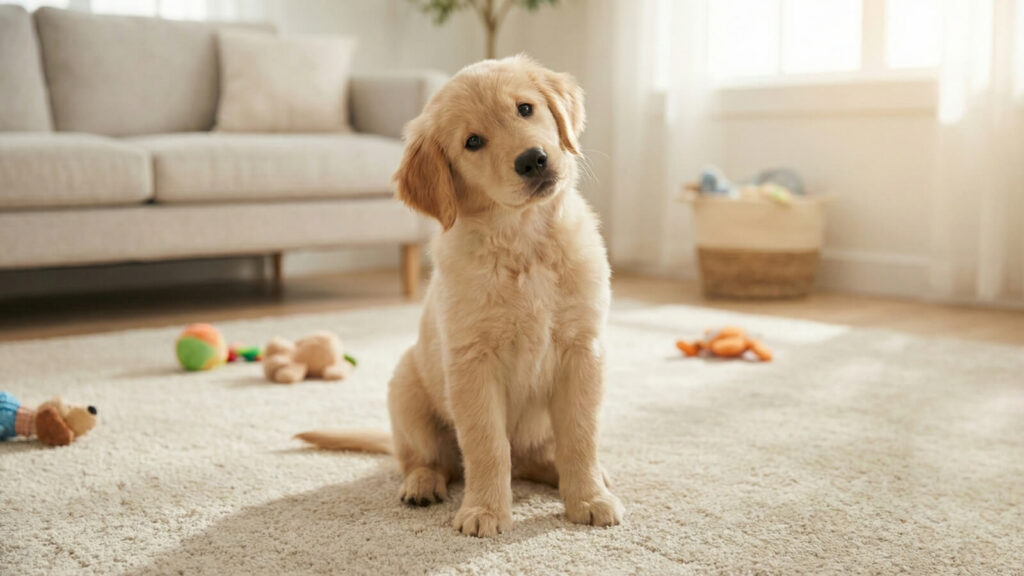
The short answer is clear. You can start puppy harness training almost immediately. Most experts recommend starting as early as eight weeks old. This is usually when puppies go to their permanent homes. However, wearing a harness does not mean going for long walks. Not yet. At this young age, the goal is different. You want your little friend to get used to the feeling. The sensation of wearing something on their body is strange. It is new. Therefore, it can be scary. Start early. Start slowly. This helps your puppy accept the gear as a normal part of life.
There are compelling reasons to choose a harness over a collar. Young dogs are physically delicate. Their bodies are fragile. Specifically, their throats are sensitive. A collar sits directly on the trachea. This is the windpipe. Puppies are often energetic. They pull. They lunge. If they pull against a collar, it can hurt them. It might cause coughing. It could even lead to serious injury. In contrast, a harness is safer. It is much more secure. It distributes pressure evenly. The pressure goes across the chest. It goes across the shoulders. It avoids the tender neck area completely. Thus, a harness is a much better choice for safety.
Choosing the right equipment is the first step. You will find many options at the pet store. The choices can be overwhelming. Look for soft materials. Nylon is a popular choice. Mesh is also excellent. These fabrics are lightweight. They are also breathable. Avoid heavy leather for tiny puppies. It is too stiff. It might be uncomfortable. Additionally, adjustability is key. Puppies grow very fast. They grow rapidly. A harness that fits today might be tight next week. Therefore, buy one with adjustable straps. You should be able to resize it easily. A proper fit is crucial. You should be able to fit two fingers under the straps. It should be snug. However, it should not be tight.
Once you have the gear, the real work begins. Do not rush this process. Do not force the harness onto your puppy. This is a major mistake. If you force it, the puppy will be frightened. They might develop a negative association. Instead, make it a game. Make it fun. Use food. Use toys. Positive reinforcement is your best tool.
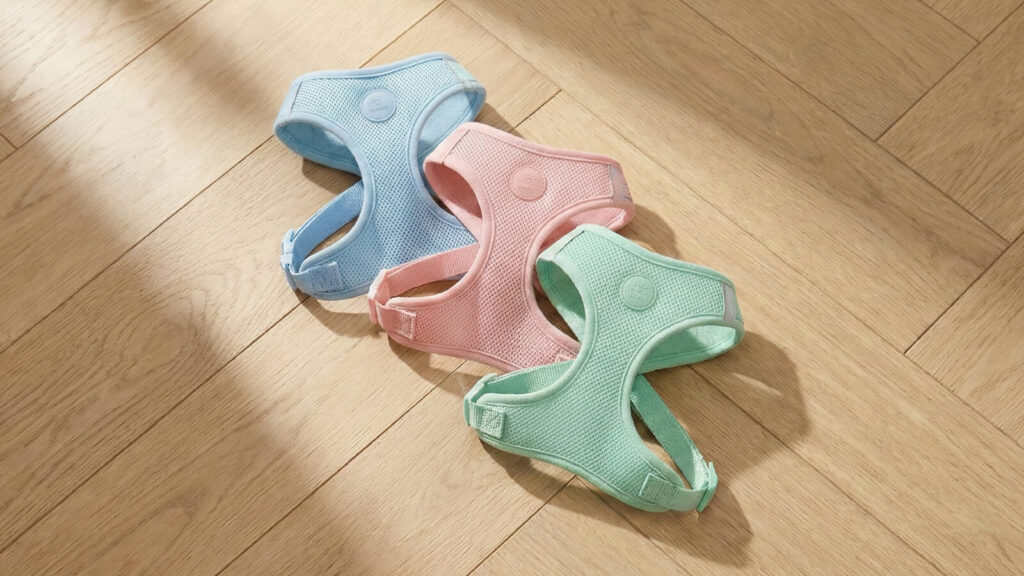
Start by sitting on the floor. Be on the same level as your dog. Hold the harness in your hand. Let the puppy sniff it. Let them investigate this strange object. When they sniff it, give them a treat. Praise them enthusiastically. Say “good dog” in a happy voice. Repeat this several times. You want them to think the harness predicts snacks. The harness equals delicious food. This creates a positive emotional connection.
Next, focus on the sound. Many harnesses have plastic buckles. These buckles make a clicking noise. This sound can be loud. It can be startling to sensitive ears. Close the buckle while holding it away from the dog. Then, give a treat immediately. Open it. Close it again. Click. Treat. Click. Treat. Do this repeatedly. Eventually, the puppy will hear the click and look for food. They will not be scared. They will be expectant. This simple step prevents fear later on.
Now, you can move to the next stage. This involves touching the puppy with the gear. Do not strap it on yet. Just drape it over their back gently. Give a treat immediately. Then, remove it. Repeat this action. Touch their body with the straps. Reward them. You are desensitizing them. You are teaching them that the touch is safe. It is harmless. If they back away, stop. You are moving too fast. Go back to the previous step. Patience is vital here. There is no deadline. Take your time.
When the puppy seems comfortable, try putting it on. Secure the buckles. Check the fit. Give them a huge reward. This could be a piece of high-value meat. It could be their favorite squeaky toy. Keep the harness on for only a short time. A few minutes is enough. Let them wear it while they eat dinner. Let them wear it while they play. Distraction is helpful. If they are busy eating, they will forget the harness. They will not notice the strange feeling. After a few minutes, take it off.
Repeat this process daily. Gradually increase the time. Start with one minute. Then try five minutes. Then ten. Soon, the puppy will ignore the gear completely. It will feel like a second skin. This is your goal. You want them to feel naked without it. Well, not literally. But you want them to feel totally natural.
Sometimes, puppies react strangely. They might freeze. They might stand perfectly still. They act like statues. This is very common. It is also quite funny. Do not worry. They are not broken. They are just confused. The sensation is restrictive. They feel trapped. Do not pull them. Do not drag them. Instead, encourage them. Stand a few feet away. Hold a treat. Call their name happily. When they take a step, praise them. Give them the reward. You are teaching them that they can still move. They can still run. The harness does not stop them.
Alternatively, some puppies bite the straps. They chew on the chest piece. This is annoying. However, it is normal puppy behavior. They explore with their mouths. Redirect their attention. Give them a toy to chew instead. Engage them in play. If they persist, the fit might be wrong. It might be too loose. A loose harness moves around. It tickles. It becomes a toy. Tighten the straps slightly. Ensure it stays in place. A secure fit is less distracting.
Once the puppy is wearing the harness happily indoors, you can introduce the leash. This is a separate challenge. The leash adds weight. It adds drag. Clip the leash to the harness. Do not hold the handle yet. Let the puppy drag the leash around the house. Supervise them closely. Do not let the leash get caught on furniture. This could scare them. Let them walk freely. They will feel the slight tug of the leash. They will get used to the extra weight. Treat them often. Keep the mood light. Keep it fun.
After a few sessions of dragging the leash, pick up the handle. Follow the puppy. Do not pull them yet. Let them lead you. You are just a passenger. Reward them for walking. If they stop, you stop. Avoid tension on the leash. A tight leash creates opposition reflex. This means the dog pulls back against the pressure. You want to avoid this. Keep the leash loose. Keep it slack. This teaches them that being near you is good.
Finally, you are ready for the outdoors. The world outside is huge. It is loud. It smells intense. Your puppy might be overwhelmed. They might forget everything you taught them. This is okay. Start in a quiet spot. Start in your backyard. Or try a quiet hallway. Do not go to a busy park yet. There are too many distractions there. Put on the harness. Attach the leash. Step outside. Let them sniff. Let them look around. Reward them for looking at you. Keep the sessions short. Five minutes is plenty. End on a good note. Go back inside while they are still happy.
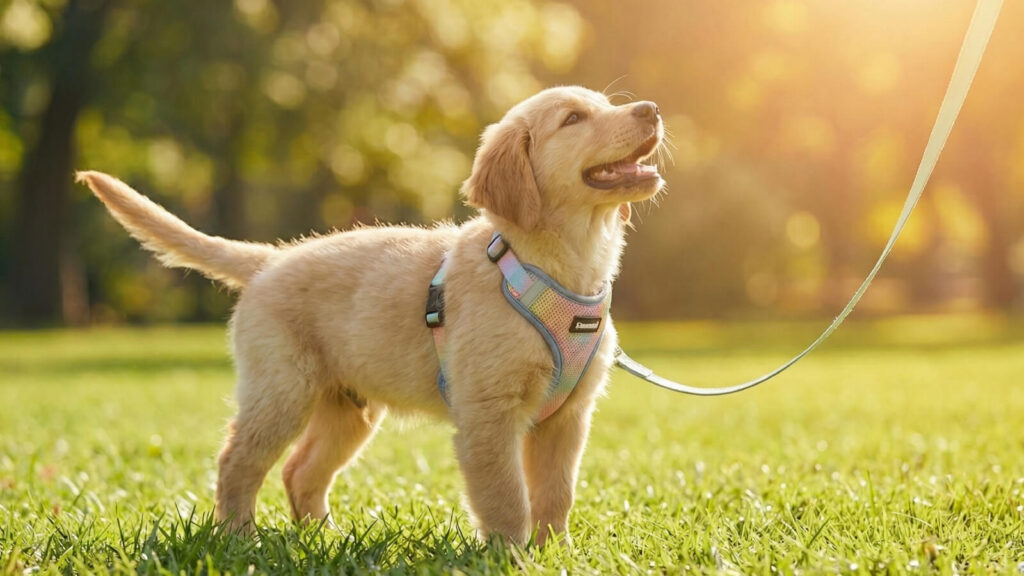
Consistency is the secret sauce. Practice this routine every day. Puppies learn through repetition. If you are inconsistent, they will be confused. One day you use a collar. The next day a harness. This is baffling for a baby dog. Stick to the harness for walks. It provides the best control. It provides the most safety. As they grow, check the fit weekly. Puppies grow overnight. Literally. A harness that fit on Monday might be tight on Friday. Loosen the straps as needed. Eventually, you will need a larger size. Be prepared for this. It is part of owning a growing dog.
There are also different styles of harnesses to consider. The “step-in” style is popular. It is easy to put on. The dog steps into two loops. You clip it on the back. This is great for calm dogs. However, wiggle worms might struggle. Another type is the “over-the-head” style. You slip it over the neck. Then you buckle the chest strap. Some dogs dislike things going over their heads. If your puppy shies away, try the step-in kind. Find what works for your specific dog. Every dog is unique. Their preferences vary.
Consider the material texture too. Some mesh is soft. Some nylon has rough edges. Rub the material on your own skin. Is it scratchy? If it scratches you, it will scratch the puppy. Their skin is tender. Especially under the armpits. Chafing can occur. This is painful. It causes redness. It causes hair loss. Check their skin regularly. Look for rub marks. If you see redness, the fit is wrong. Or the material is too rough. You might need a padded version. Fleece lining is very gentle. It adds comfort.
Another aspect is the weather. In summer, heavy vests can be hot. They trap heat. A lightweight strap harness is better. It allows air flow. In winter, a vest adds warmth. It acts like a coat. Think about the climate. Dress your puppy appropriately. Their comfort affects their behavior. A hot, itchy puppy will not walk well. A comfortable puppy is a happy walker.
Throughout this journey, remember your attitude matters. Your energy travels down the leash. If you are frustrated, the puppy knows. They sense your tension. They become anxious. If you are calm, they feel safe. If you are happy, they are happy. Treat puppy harness training as a bonding activity. It is not a chore. It is a partnership. You are learning together. You are a team.
Avoid comparing your puppy to others. Some puppies accept the harness instantly. They do not care at all. Others take weeks. They are suspicious. They are timid. Both are normal. Do not feel discouraged. Do not feel like you failed. You are doing a great job. Adjust your pace to your dog. If they need more time, give it to them. Rushing causes setbacks. Slow and steady wins the race. Truly.
Also, consider the safety of the hardware. Check the buckles. Are they strong? Check the D-ring. This is where the leash clips on. Is it metal? Plastic rings can break. Metal is stronger. Metal is safer. A broken ring means a loose puppy. That is a nightmare. Especially near roads. Invest in quality gear. It is worth the extra money. It provides peace of mind.
Furthermore, identification is vital. Even on a harness, have ID. Attach a tag. It should have your phone number. Puppies are slippery. They are fast. If an accident happens, ID is crucial. You can attach the tag to the harness ring. Or use a separate light collar just for ID. Safety should always be the priority.
As your puppy matures, the harness remains useful. It is not just for babies. Many adult dogs wear them. They are great for hiking. They are excellent for car rides. You can use a seatbelt attachment. This keeps the dog safe in the car. It prevents them from flying forward. A collar cannot do this. A collar would be dangerous in a crash. A harness spreads the force. Therefore, puppy harness training is a lifetime skill. It is an investment in their future.
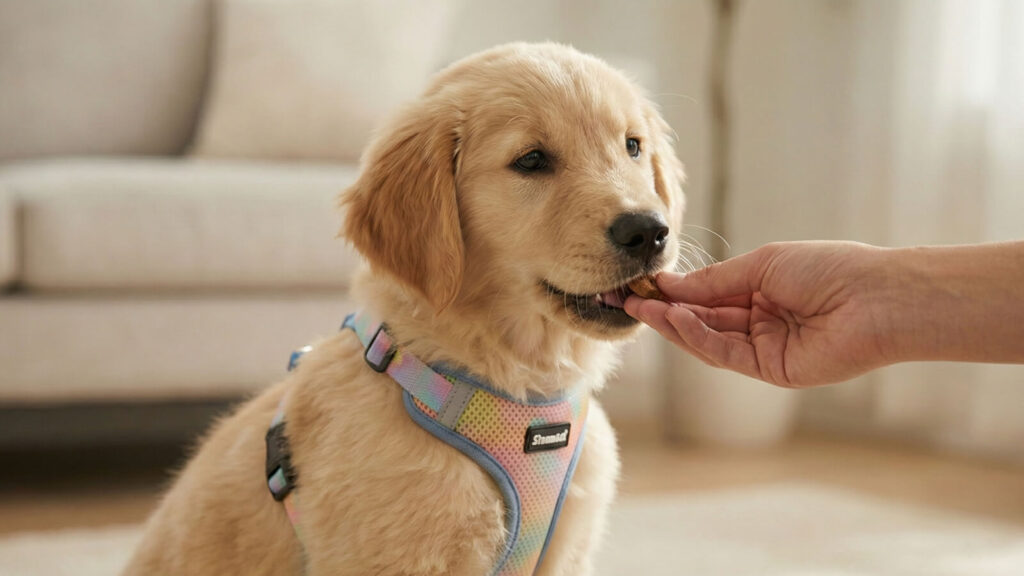
In conclusion, the best time to start is now. As soon as you get your puppy. But start gently. Respect their fears. Use tasty treats. Celebrate small victories. Listen to your dog. Watch their body language. If they look happy, proceed. If they look scared, pause. Be their advocate. Be their protector. With time, the harness will equal adventure. It will mean fun. It will mean time with you. And that is what your puppy wants most. They want to be with you. Exploring the world. Side by side. Safely and comfortably.
So, grab that colorful new harness. Grab a handful of delicious chicken. Sit on the floor. Call your furry friend. Begin the journey today. It is a process. It has ups and downs. But it is worth it. Soon, you will be walking down the street together. You will walk proudly. Your puppy will be safe. They will be stylish. And they will be happy. That is the ultimate goal. Happy walking!