E-mail Us at info@wingtupet.com
Call Us at Wingtu Pet | Whatsapp +1- 626 734 5510

Get A Quote
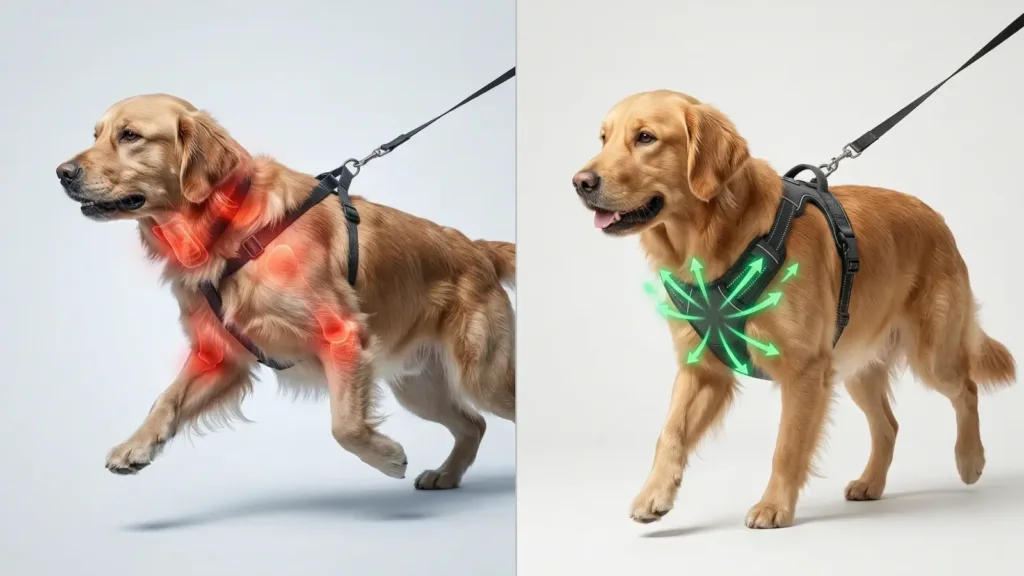
You are an hour into a weekend hike. The woods are full of new smells. Your dog pulls tight on the leash. They seem happy at first. But later, things change. They might walk a bit differently. Maybe they pant too much. Some dogs even refuse to keep going.
The problem often is not tiredness. It is actually joint strain. The gear you use matters. A poorly fitting rig hurts their body during long dog walks. Leash tension hits their bones hard. The way that energy touches their body changes everything.
Why Long Hikes Cause Pain
Energy from pulling has to go somewhere. A standard collar puts all that force right on the neck. That hurts the windpipe. A bad harness is not much better. It dumps the pressure right into the dog’s armpits. It squeezes their moving parts.
Think about a two-hour hike. That constant pulling rubs their skin bare. It cuts off blood flow. Worse, it changes how your dog steps. They change their stride just to stop the pain. Over time, you really want to avoid no-pull harness shoulder damage.
Mistakes People Make When Buying Gear
Nobody wants a dog that pulls. So, owners often buy gear that restricts movement. Basic step-in designs are a huge mistake. They have a flat strap right across the chest.
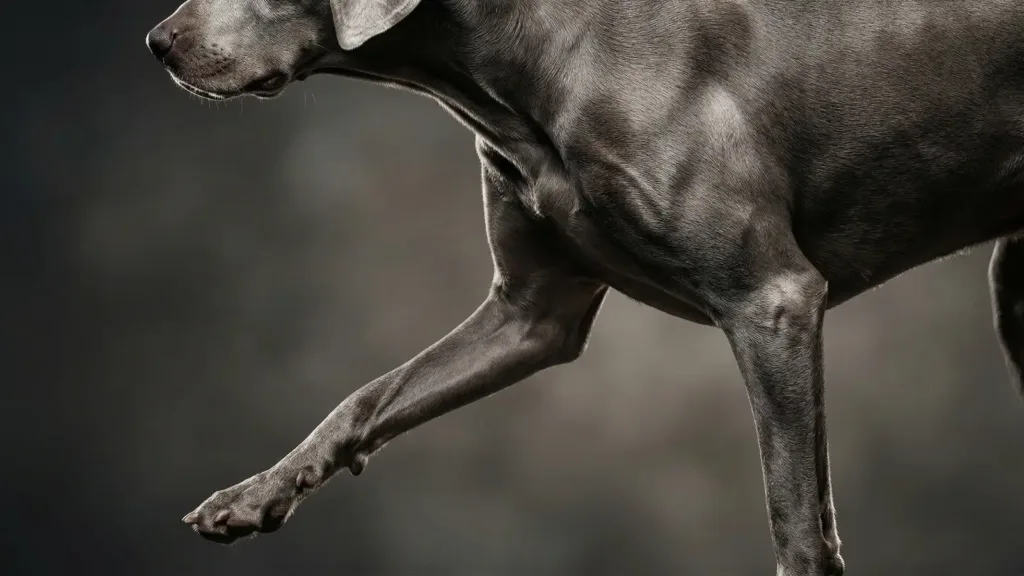
Yes, they might stop pulling for a little bit. But they do it by locking the dog’s shoulder blades together. This stops the front legs from reaching forward normally. Day after day, this tight trap creates muscle problems. It slowly ruins dog joint health.
How a Padded Dog Harness Fixes the Problem
A smart padded dog harness does not trap your dog’s legs. It uses basic physics to help them. Here is how the right shape can reduce shoulder pressure:
- Wider Straps Spread the Load: Cheap nylon straps are thin. When your dog pulls hard, a thin line cuts into their skin. It hurts. Padded foam or thick mesh changes this completely. It spreads the weight out. It covers more of the wide chest muscles. This simple change drops the heavy load off the front joints.
- The Y-Shape Design: Science points to the Y-shaped dog harness as the safest choice. The center piece sits right on the breastbone. The side straps go up and over the shoulders. They sit nicely below the neck. This lets the tough chest bone take the hit. The shoulder blades stay totally free. Your dog can run and reach without pinching.
- Soaking up the Shock: Dogs lunge all the time. They see a squirrel and jerk the leash. A stiff strap sends a hard shock right into your arm and their bones. Thick padding acts like a sponge. It squishes down. It traps that sudden energy before it hits the joints.
Tips for Buying and Fitting
You need the best harness for long hikes. Keep these simple rules in mind before you spend your money:
- Check the Shoulders: Put the gear on. Tell your dog to sit. Rub your hand over their shoulders. The fabric must not sit on top of the moving bones.
- Look at the Foam: The chest and belly need thick support. Layered mesh works great. It breathes well and stops dirt from sticking.
- The Two-Finger Test: Slide two fingers under the straps. It should feel snug. If you cannot fit your fingers, it is too tight. The foam will not compress. If it is too loose, the fabric will slide around and burn their skin.
Look at the structure. Ignore fancy marketing words. A smart fit keeps your dog safe. It makes walking fun again for both of you.
Frequently Asked Questions (FAQs)
Q: Will a padded dog harness stop my dog from pulling? A: No piece of gear magically stops pulling. A padded dog harness just changes where the force goes. It takes the heavy pressure off the neck and shoulders. It spreads the weight across the strong chest muscles instead. You still need to train your dog to walk nicely on a leash. But this setup makes sure they stay safe and pain-free while they learn.
Q: How do I know if the Y-shaped dog harness is fitting right? A: Put the gear on your dog. Have them stand square on all four legs. Feel the top of their front legs with your hands. You will feel the hard shoulder blades. The fabric straps must sit away from these moving bones. The center piece needs to rest flat on their breastbone. If the edge rubs the leg joints, you need to loosen or tighten the side straps.
Q: Can my dog wear this thick gear all day long? A: It is always best to take it off indoors. Thick foam is amazing for long dog walks and tough trails. It soaks up leash shock really well. But it can trap heat and dirt against the skin if left on too long. Take the gear off when your walk is done. This lets your dog’s skin breathe and stops their fur from getting tangled.