E-mail Us at info@wingtupet.com
Call Us at Wingtu Pet | Whatsapp +1- 626 734 5510

Get A Quote
Every morning used to follow the same script.
I’d pick up the leash, and my dog would dance around the door, tail wagging, clearly excited.
But the moment I reached for the harness? Silence.
His tail tucked under. His head dropped. In seconds, he disappeared under the dining table.
If I managed to coax him out, he would turn into a “statue”—completely frozen, refusing to move.
It broke my heart. I knew a harness was safer for his neck and trachea than a standard collar, but forcing it onto him felt like a betrayal of trust.
My dog wasn’t stubborn.
As I eventually learned, he was uncomfortable—and scared.
If you’re struggling with a dog who runs away at the sight of the leash, you’re not alone. After consulting multiple trainers and trying several different harnesses, I finally understood why dogs hate harnesses—and what actually worked for us.
Stage 1: Identifying the “Why”
Before I could fix the behavior, I had to understand what triggered it. It turns out most dogs don’t hate walks—they hate the preparation.
Fear of Over-the-Head Pressure
In canine body language, anything coming down over the head or blocking vision can feel threatening. Many traditional harnesses require pulling a loop over the dog’s head, which can feel invasive to sensitive dogs.
Restricted Movement
My old harness formed a “T” shape across his shoulders, limiting the natural movement of his front legs. Imagine trying to run with a tight strap wrapped around your biceps—it’s uncomfortable and frustrating.
Sensory Overload
Before we even opened the door, the loud click of plastic buckles and the ripping sound of cheap Velcro sent his anxiety through the roof.
Stage 2: Switching Gears (The Right Equipment)
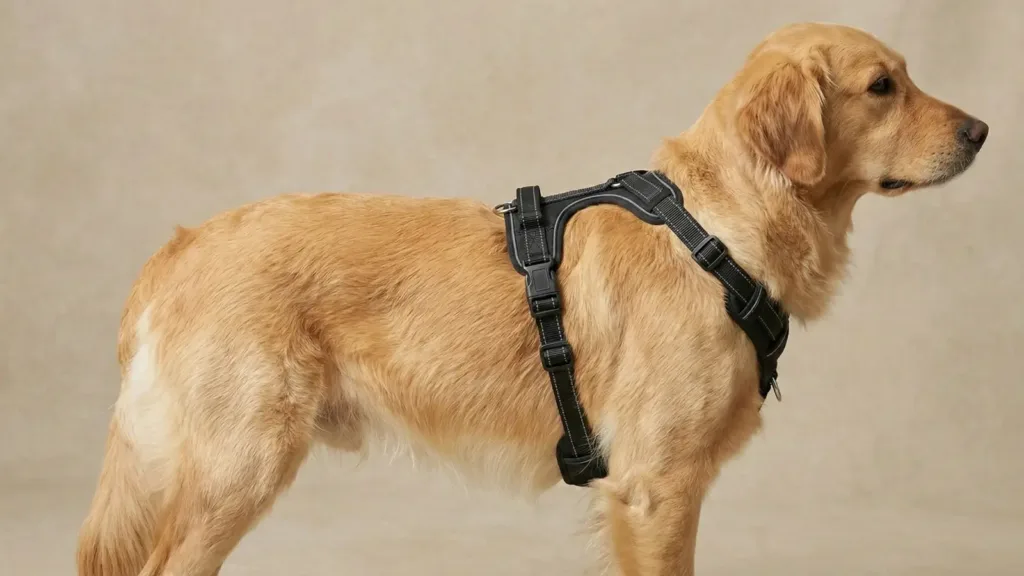
The first step toward success was retiring the stiff, outdated harness. I learned that in the U.S. and European markets, the gold standard has shifted to Y-shaped harnesses.
Here’s what I specifically looked for:
Y-Shaped Design
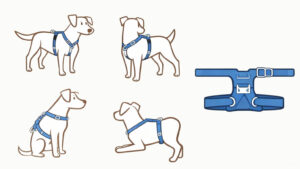
Instead of crossing the shoulders, the straps run between the front legs and around the chest, forming a Y shape. This allows full shoulder extension and natural movement.
Neck-and-Chest Buckle System
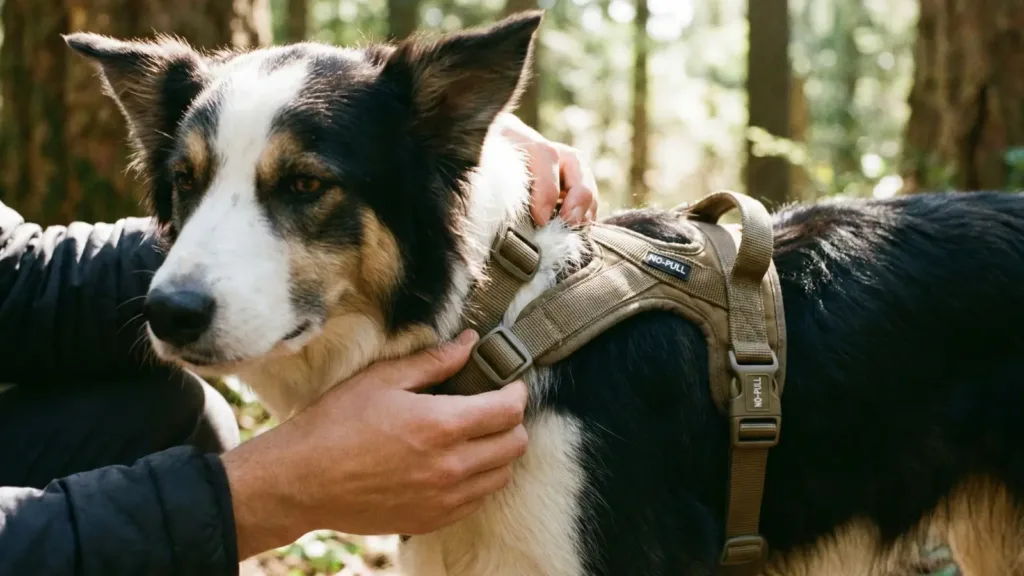
This was a game changer. I chose a harness with buckles on both the neck and chest straps—meaning I didn’t have to pull it over his head. I could fasten it like a necklace instead.
Padded Mesh Fabric
Breathable, cushioned materials prevent chafing under the armpits—a common reason dogs resist walking in harnesses.
Stage 3: The “Magic” Solution — Desensitization
Changing equipment wasn’t enough. I also had to change his emotional association with it.
We used a method called counter-conditioning, turning the harness into part of a game instead of a signal for stress.
Step 1: Sight = Treat
I placed the harness on the living room floor. Every time he looked at it, he received a high-value reward (boiled chicken). After two days, he learned that seeing the harness meant good things.
Step 2: Sound Test
I clicked and unclipped the buckles while feeding treats.
Click — treat. Click — treat.
The scary sound slowly transformed into a dinner bell.
Step 3: The “Head-Through” Choice
Instead of forcing the harness on, I held a treat through the neck opening. He had to voluntarily put his nose through to get it. Choice is powerful—because he opted in, the fear disappeared.
Step 4: Indoor Wear
Once he was comfortable, he wore the harness indoors during meals and playtime. This broke the association of “harness = high-stress situation.”
Our New Normal
After about two weeks of patience, everything changed.
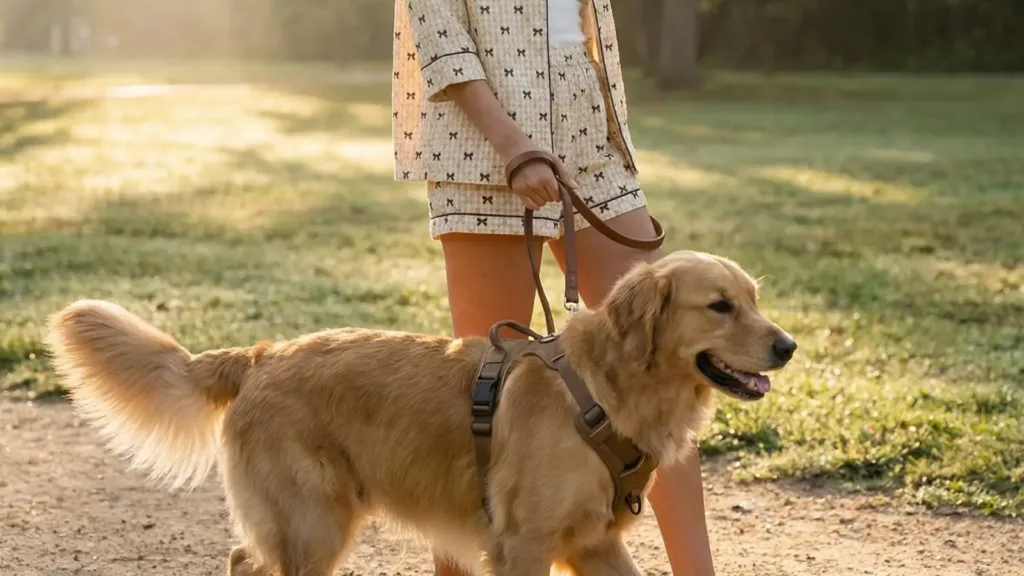
Now, when I pick up the leash, my dog doesn’t hide under the table.
He sits calmly and waits for me to put the harness on.
If your dog hates the leash, don’t force it. Take a step back. Check the fit. Turn the process into a game. From the moment you open the door, walking should be a joyful experience—for both of you.