E-mail Us at info@wingtupet.com
Call Us at Wingtu Pet | Whatsapp +1- 626 734 5510

Get A Quote
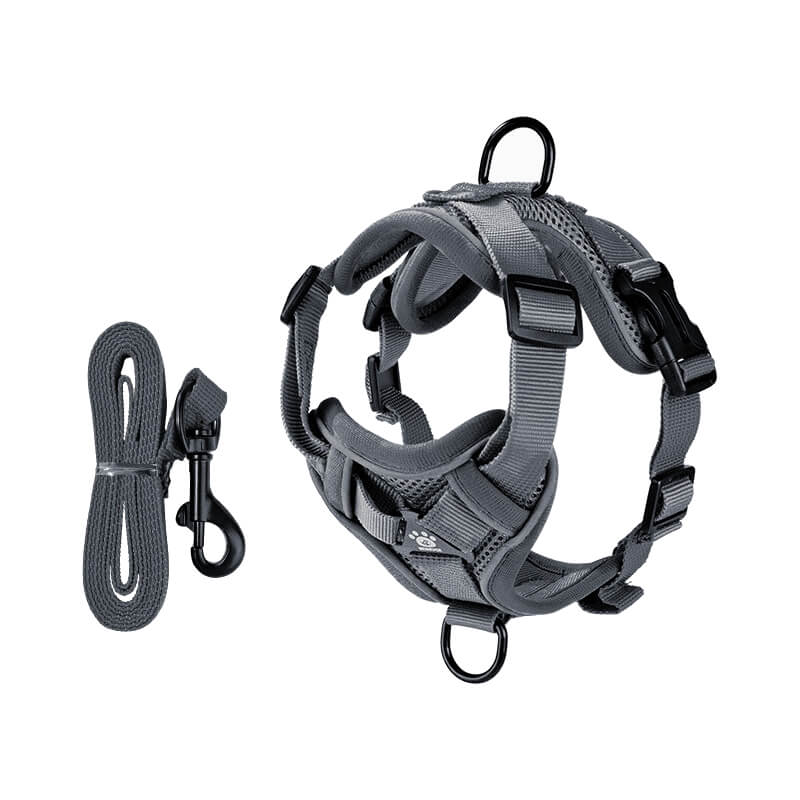
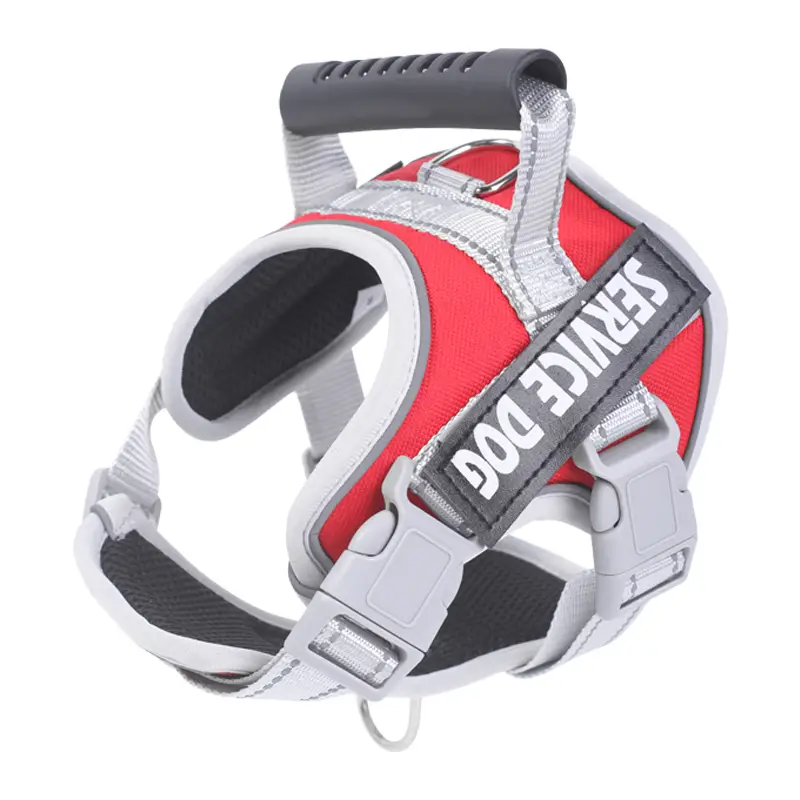
Choosing a good-quality harnesss isn’t just about preventing escapes. It’s actually about safeguarding your dog’s long-term skeletal health. By 2026, has become the industry gold standard—meaning you can no longer rely on weight alone to find the right fit. If the gear fits poorly, it can cause painful sores. It might also restrict their movement or even hurt their joints over time.
Whether you’ve got a high-energy Border Collie or a compact French Bulldog, this guide will help you measure like a pro.
1. Getting Ready: What You’ll Need
Before you begin, make sure your pup is standing up and feels calm. If they sit or lay down, your numbers will likely be off by an inch or two.
- A Soft Measuring Tape: This is the best tool for the most accurate numbers.
- String and a Ruler: Use these if you don’t have a flexible tape. Wrap the string around, then check the length on the ruler.
- Tasty Treats: Keep some snacks nearby to help them stay still.
- A Phone or Notepad: Use this to jot everything down immediately.
2. The Three Key Spots to Measure
A. Dog chest girth measurement — The top priority
This is the most important part of the whole process.
- How to do it: Find the widest spot on your dog’s ribs. This is usually right behind their front legs.
- Expert Advice: Keep the tape flat against their fur. Do not pull it too tight, and make sure it doesn’t twist up.
B. Neck Girth
This is key for vest-style harnesses that doesn’t adjust at the head.
- How to do it: Wrap the tape around the base of the neck.
- Location: This spot is just above the shoulders. It sits lower than where a regular collar would be.
C. Back and Belly Length
For a Y-harness or gear with a handle, this matters. It keeps the straps from pressing into the soft belly.
- How to do it: Measure from the base of the neck down to where the ribs end.
3. 2026 Sizing Chart (Standard Units)
| Size | Neck Girth (Inches) | Chest Girth (Inches) | Approx Weight |
| XS | 8.7″ – 12.6″ | 15.4″ – 16.9″ | Under 4 KG |
| S | 12.6″ – 18.9″ | 17.3″ – 20.5″ | 4 – 7.5 KG |
| M | 15.7″ – 23.6″ | 18.9″ – 24.4″ | 7.5 – 14 KG |
| L | 18.9″ – 27.6″ | 23.2″ – 29.9″ | 14 – 22.5 KG |
| XL | 21.3″ – 30.7″ | 29.1″ – 40.2″ | 22.5 – 45 KG |
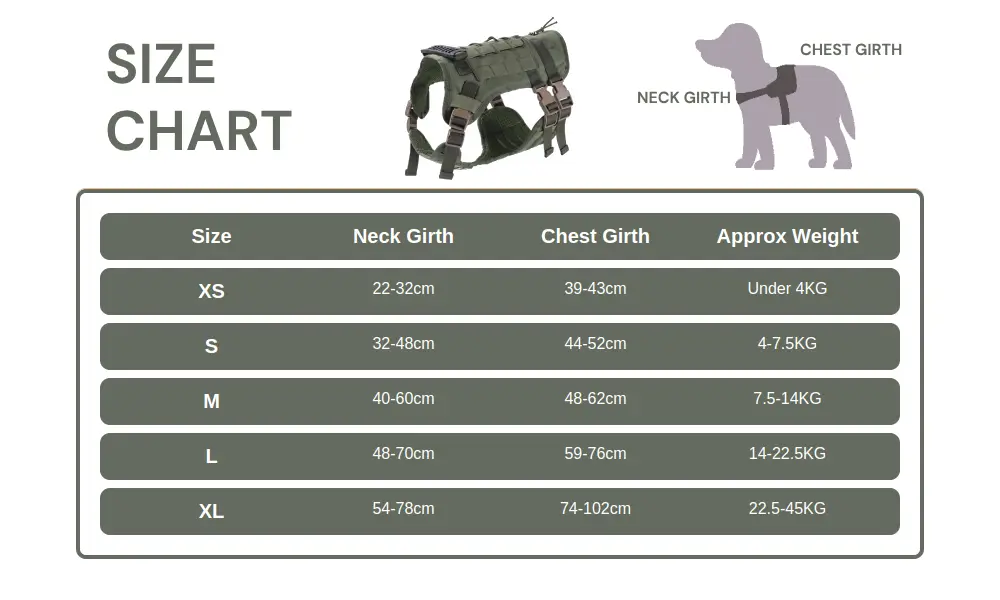
Quick Tip: Brands like Ruffwear, Julius-K9, Blue-9, and Wingtupet all have slightly different fits. Always look at the specific chart for the exact product you are buying.
4. Checking the Fit (The “Two-Finger” Test)
Once the gear is on, you have to check it. Experts in 2026 suggest these three tests:
- The Two-Finger Rule: You should be able to slide two fingers under the straps easily. If you can’t, it’s too tight. If you can fit three or four, it’s too loose.
- Armpit Space: Straps should be about an inch (2-3 cm) away from the front legs. This stops painful rubbing or “chafing”.
- The Y-Point: For a Y-harness, the center of the “Y” should sit right on the chest bone. It should never press against the throat.
5. What if My Dog is Stuck Between Sizes?
This comes up a lot on Reddit. If your dog’s chest is right on the line, what do you do?
- Size Up for Adult Dogs: Pick the larger size. Then, adjust the straps for a snug fit. This gives them more room to breathe.
- Size Up for Puppies: Definitely go larger since they grow so fast.
- Narrow Dogs: If your dog is built like a Greyhound, look for a 5-point adjustment system. These fit narrow bodies much better.
Final Thoughts
A solid measurement is the first step toward a happy walk. A right equipment gives you more control while letting your dog move freely.
Ready to shop?
Click here to consult with us regarding the top 5 best-rated pull-style dog harnesses of 2026, and find the perfect match for the measurements you just took!