E-mail Us at info@wingtupet.com
Call Us at Wingtu Pet | Whatsapp +1- 626 734 5510

Get A Quote
Sourcing a pet harness manufacturer feels a lot like dating. Everyone looks great on their profile. The photos are shiny. The promises are big. But you don’t really know who you’re dealing with until you face a crisis together.
In the pet industry, a crisis isn’t just a late shipment. It’s a D-ring snapping when a 70lb Golden Retriever spots a squirrel.
If you are building a brand, you don’t need a supplier who just says “yes.” You need an engineering partner. Here is how to look past the sales pitch and find a factory that understands the physics of pet safety.
1. Ignore the “Golden Sample”
Here is a common trap. You request a sample. The dog harness factory sends you a flawless piece. The stitching is tight. The colors pop. You sign the contract.
Three months later, your 2,000-unit order arrives. It looks… different.
The sample was likely made in a specialized sample room by their best master tailor. The bulk order? That was made on the assembly line.
The Fix: When you vet a partner for wholesale pet supplies, ask for a “production sample” from a recent run they did for another client. Don’t ask for your design yet. Ask to see what they made last Tuesday. Look for loose threads. Check if the label is crooked. This reveals their real daily standard, not their showroom best.
2. The “Bartack” Test (It’s Non-Negotiable)
When you hold a harness, look at where the webbing meets the buckle. Does it have a simple box of stitching? Or does it look like a dense, zigzag bar?
That zigzag is called a Bartack.
For any heavy-duty dog harness production, Bartack is mandatory. A simple box stitch might hold a T-shirt together, but it won’t hold back a lunging German Shepherd. If your potential manufacturer tries to save thread by using single-line stitching on high-stress points, walk away. They are cutting costs at the expense of safety.
3. Plastic is Not Just Plastic
Not all buckles are born equal. A cheap buckle and a high-quality buckle look exactly the same in a photo.
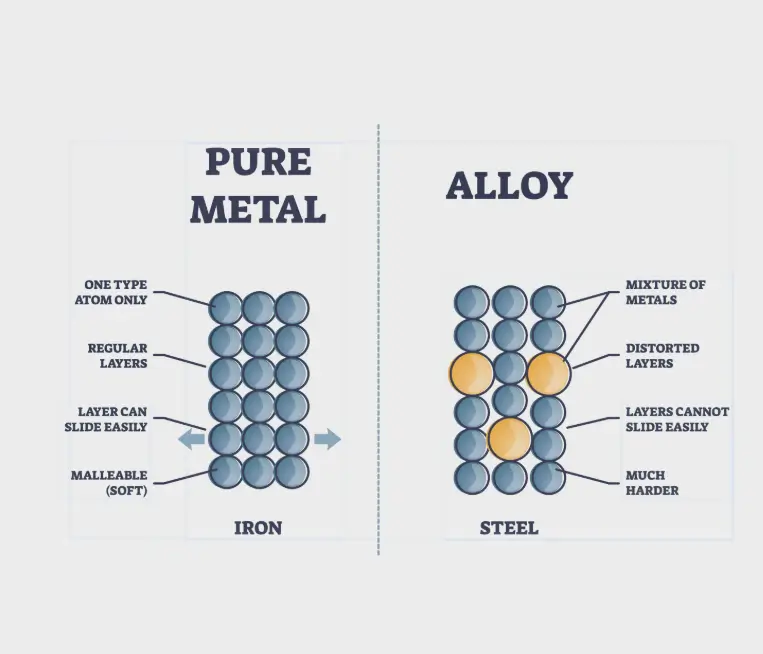
But in cold weather? Cheap polypropylene (PP) gets brittle. It cracks. High-quality POM (Polyoxymethylene) stays tough.
How to check:
- The Sound: Snap the buckle shut. A good POM buckle makes a sharp, crisp click. Cheap plastic sounds dull or thuddy.
- The Freeze: If you can, put the sample in your freezer for two hours. Take it out and smack it on the table. If it cracks, it’s trash.
Your custom dog harness is only as strong as its weakest piece of plastic. Make sure your factory buys raw materials from reputable sources, not the scrap market.
4. Ask About Their “Gap” Management
A medium-sized dog isn’t just a small dog zoomed in at 150%. A common mistake among inexperienced factories is taking an ‘S’ size pattern and mathematically scaling it up to ‘XL’.
This causes fit issues. The chest plate becomes too wide. It rubs against the dog’s armpits. It restricts movement. A true expert in private label pet accessories knows that an XL harness needs a different structural logic than an S harness.
Ask them: “Do you adjust the curvature of the neck opening for larger sizes?” If they look confused, they aren’t the right partner.
5. Compliance is Your Safety Net
You might think certificates are boring paperwork. They aren’t. They are your insurance policy.
If you plan to sell in Europe or the US, you need to know what chemicals are in that dye. Dogs chew on their harnesses. If the webbing contains lead or harmful azo dyes, your brand is finished.
Don’t just ask “Are you certified?” Ask specifically: “Do you have SGS or Intertek reports for color fastness and chemical safety?”
A reliable pet harness manufacturer won’t hesitate. They will have those PDFs ready to go.
Final Thoughts
Finding the right factory is about asking the annoying questions upfront. Don’t worry about being difficult. Worry about quality. The right partner will respect your attention to detail because it saves them money on returns later.
Start small. Verify the engineering. And remember: your brand logo is on the product, so the quality needs to be in it.
Frequently Asked Questions
Q: What is a realistic Minimum Order Quantity (MOQ) for a custom dog harness? A: Be wary of factories offering extremely low MOQs (like 50 pieces) for fully custom items. A professional pet harness manufacturer usually requires an MOQ based on material consumption—typically around 1,000 to 3,000 meters of webbing. This often translates to roughly 300-500 pieces per color/size. If they offer lower, they are likely buying stock materials, which limits your ability to customize specific Pantone colors.
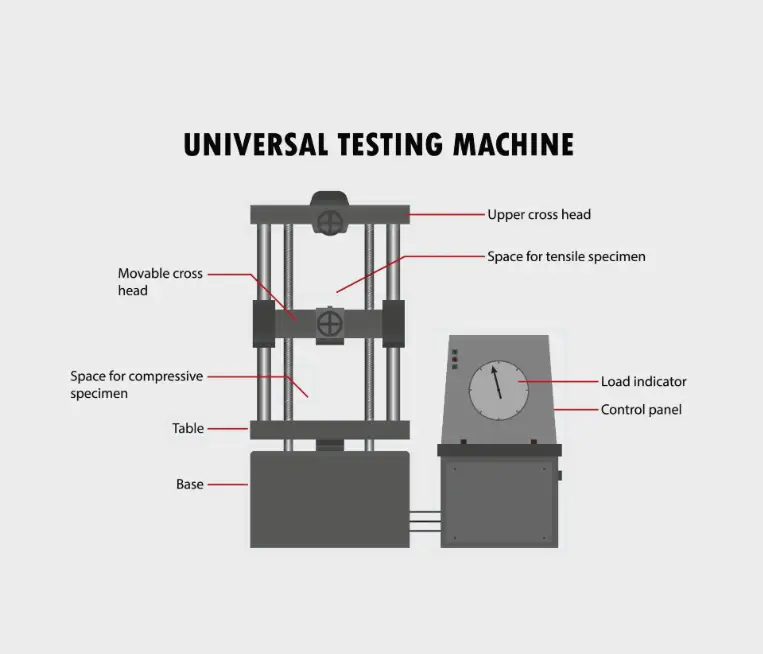
Q: I can’t fly to the factory. How do I inspect the goods? A: Never rely solely on photos sent by the sales rep. Hire a third-party inspection service (like SGS, Intertek, or a local sourcing agent) to visit the factory before the final payment is made. Ask them to perform a “pull test” on a random sampling of the heavy-duty dog harness production run. The cost of an inspection ($200-$300) is far cheaper than receiving a container of defective goods.
Q: Why does the lead time vary so much between factories? A: A lead time of 15-20 days is a red flag for custom orders. It suggests they are skipping the material quality check or using leftover stock. A legitimate production cycle for wholesale pet supplies is typically 35-50 days. This allows time for ordering raw materials (15 days), dyeing webbing, production (20 days), and packaging. Quality takes time; don’t rush the engineering.