E-mail Us at info@wingtupet.com
Call Us at Wingtu Pet | Whatsapp +1- 626 734 5510

Get A Quote
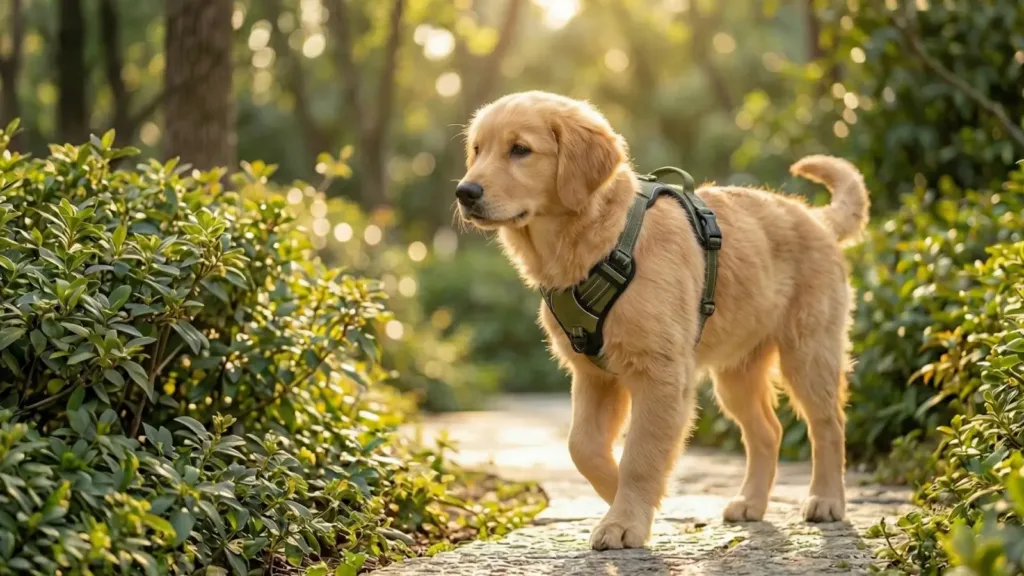
Walking your dog should be fun. It shouldn’t cause stress. But if your dog has a thin coat, skin folds, or allergies, things get tricky. Think about Greyhounds, French Bulldogs, or Pitbulls. A normal 30-minute walk around the block can cause real problems. You might see red, sore spots. You might even notice hair loss around their chest and armpits.
Finding a dog harness for sensitive skin means looking past fancy ads. You need to know how the gear actually fits your dog’s moving body. Here is what you need to know to find a safe, comfortable fit.
1. Why Does Harness Chafing Happen?
A chafing dog harness rarely happens for just one reason. Usually, it is a mix of simple physics and the weather.
- Friction: A loose harness moves side to side when your dog walks. Over a mile, those straps rub the skin thousands of times. It acts just like sandpaper. This constant rubbing causes serious irritation.
- Trapped Heat: Standard materials trap body heat. Dogs sweat. They walk in hot summer weather. That trapped moisture softens the skin. Soft skin gets cut and scraped much faster.
- Harsh Edges: Stiff nylon webbing lasts a long time. But the woven edges can be very sharp. Also, cheap nylon often uses harsh chemical dyes. These dyes can trigger skin reactions. That is exactly why finding the best harness for dogs with allergies matters so much.
2. Common Mistakes When Choosing
Pet owners want to fix the rubbing. But they often make simple mistakes.
- Buying Too Much Fluff: People often buy thick fleece harnesses. They feel very soft to us. But they trap way too much heat and sweat. In warm weather, this makes skin issues much worse.
- Using Step-in Models: Many step-in models have a straight chest strap. This strap sits right behind the front legs. That armpit area moves a lot during a walk. Narrow straps placed there will almost always cause friction burns. Deep-chested dogs struggle with this the most.
3. Design Solutions to Look For
How do you prevent harness rub? Look closely at how the harness is built. Don’t just look at the color or style.
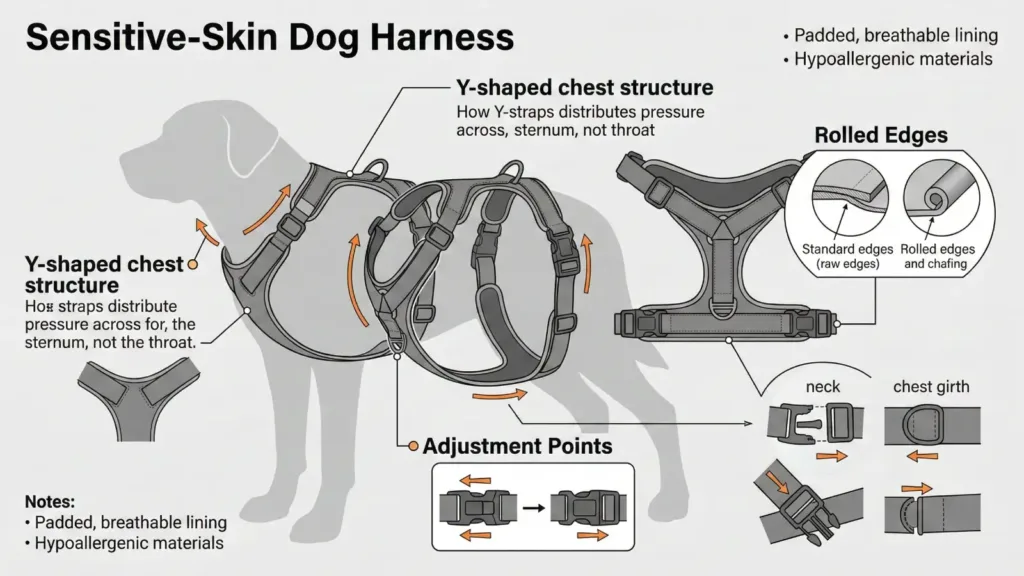
- Y-Front Design: A Y-front dog harness is usually the safest choice. It puts the pulling pressure on the strong chest bone. It keeps pressure off the soft neck. Even better, it angles the straps away from the armpits. This gives the front legs plenty of room to move freely.
- Rolled Edges: Find gear that hides the sharp webbing edges. Look for binding made from smooth materials. Neoprene or soft micro-mesh works well. Soft edges stop the physical scraping. This makes it a highly comfortable harness for thin coated dogs.
- Breathable Materials: Light air mesh lets the skin breathe. It keeps the chest dry. Also, look for natural linings or skin-safe fabrics. This cuts down on chemical reactions.
- Multiple Adjustments: A good fit stops the rubbing. Get a harness with four or more adjustment points. Two on the neck. Two on the chest. This lets you fit the gear to your dog’s exact shape. The harness will move with them, not against them.
4. Practical Sizing Advice
Even a perfect harness needs the right fit. When measuring your dog:
- Use a Tape: Grab a soft tape measure. Find their exact neck and chest size. Don’t guess based on weight. Muscle and fat are different on every dog.
- Check the Armpits: Put the harness on. Adjust it. Now, slide two fingers behind the front legs. You need space between the strap and the armpit.
- Keep It Clean: Wash the harness often. Dirt, salt, and dead skin build up on the fabric. Over time, that grime acts like grit and causes rubbing. Keep it clean to keep the skin safe.
Faqs
Q: What is the best material for a dog harness for sensitive skin? A: Look for smooth, soft fabrics. Neoprene is a great choice. It is slick and does not rub. Lightweight air mesh is also smart. It lets air flow and keeps the skin dry. You should avoid stiff, cheap nylon. It often has hard edges that scrape thin coats.
Q: How do I know if the gear is rubbing my dog too much? A: Always check their armpits and chest right after a walk. Look for red spots, raw skin, or patches of missing hair. Also, watch how they act outside. If your dog suddenly stops walking or scratches at the straps, the harness is probably causing pain.
Q: Should my dog wear a harness if their skin is already chafed? A: No. You need to give the skin time to heal. Walking with the same gear will just make the sores worse. Use a soft, wide collar for a few days instead. Once the red spots clear up completely, you can safely switch to a better-fitting Y-front dog harness.