E-mail Us at info@wingtupet.com
Call Us at Wingtu Pet | Whatsapp +1- 626 734 5510

Get A Quote
In the pet world, “durability” often feels like just another sales pitch. It gets thrown around a lot. But here is the thing. Unlike toys for kids, there are no strict global laws for making a dog harness.
This creates a gap. You see lots of gear labeled “heavy-duty.” It usually just looks thick. It has big pads. It has heavy buckles. But that is just a look. It is not real engineering.
For a serious Pet product manufacturer, strength isn’t just an adjective. It is a physical process. It involves math. It involves breaking things on purpose. If you are sourcing high-quality pet products, you need to know the difference. You need to look past the strong look. You need to see how the gear actually performs when a 30kg dog chases a squirrel.
Here is the truth about how to test dog harness durability.
Where Gear Actually Breaks
To understand testing, you have to get failure first. In real life, a dog leash rarely snaps in the middle. Modern nylon is tough. It is stronger than any dog.
Failures usually happen at the weak spots:
- The Stitching: The thread rips out.
- The Hardware: The D-ring bends. Or the buckle pops.
- Aging: Sun and rain make parts weak.
Top factories focus on these exact spots.
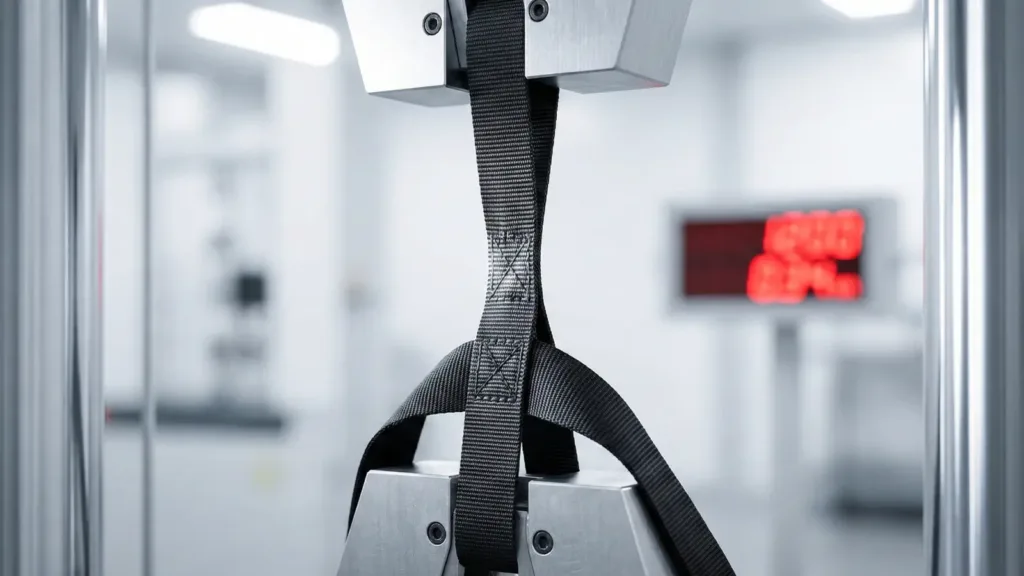
1. The Static Pull Test
This is the baseline. It sets the standard. It mimics a big dog pulling hard. Or maybe two dogs pulling apart.
How it works: We hook the harness to a hydraulic machine. The machine pulls. It keeps pulling until something snaps.
- The Goal: We want to see the maximum load.
- The Number: Good gear for big dogs should handle 150kg to 200kg.
This is where dog leash tensile strength standards matter. But there is a trick. Some brands test just the nylon strap. That is easy. A good supplier tests the whole finished product. If the strap holds 500kg but the sewing pops at 50kg, the product is weak.
2. The Dynamic Jerk Test (Impact)
A steady pull is one thing. A sudden snap is another. This is the main difference in static vs dynamic testing for pet gear.
A dog lunging suddenly creates a huge force. It is called impulse. A buckle might hold a heavy weight hanging still. But snap it tight instantly? It might shatter.
How it works:
- We attach a weight to dog collars or harnesses.
- We drop the weight.
- This creates a shock.
- We do it again and again.
This test shows the truth about hardware. Cheap plastic cracks. Good Wholesale pet supplies suppliers use virgin POM or strong alloys. These materials absorb the shock. They don’t break.
3. Rust and Sun: The Silent Killers
Outdoor gear fights hidden enemies. Rain. Mud. Salt. Sun.
A leash might look strong today. But what about in six months?
- Salt Spray: We put metal parts in a salty mist chamber. They stay there for 24 to 48 hours. This mimics sweat or beach air. If the plating is bad, it rusts. Rust is sharp. It cuts through the fabric.
- UV Rays: Sun burns nylon. It makes it brittle. We use special dyes to keep the strength high.
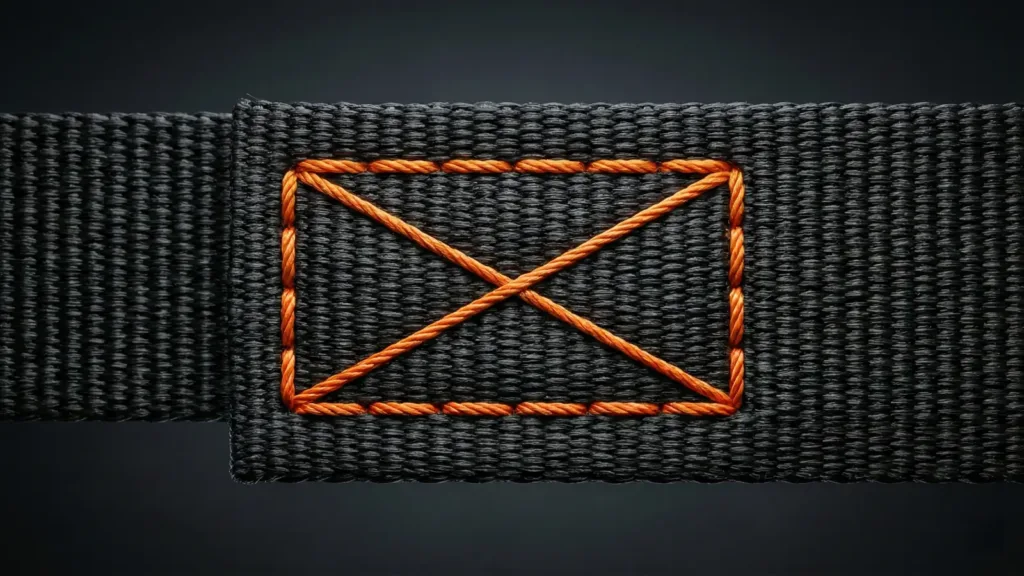
4. The “Box-X” Build
This isn’t a “break it” test. It is a check for build quality. It is key for Box-X stitching durability.
Look at where the webbing connects. Do you see a square? Is there an “X” inside it? That is Box-X stitching.
The Logic: A straight line of thread is weak. It takes all the stress in one spot. The Box-X pattern spreads the load. It changes the angle of the pull. Climbers use this. Parachutes use this. It is a must for safe pet gear.
Rational Buying Advice
Maybe you run a shop. Maybe you just love your dog. Don’t just trust the word “Indestructible.” Look for proof.
- Ask about materials: Is the buckle POM or cheap plastic?
- Check the sew lines: Do you see the Box-X?
- Demand Data: Ask about dog collar safety testing protocols.
Real safety isn’t about being heavy. It is about smart design. It is about testing the weakest links until they are strong.
Frequently Asked Questions (FAQs)
Q1: How can I verify if a supplier actually tests their products? A: Don’t just look at the photos. Ask the manufacturer for a “Tensile Strength Test Report.” Reputable suppliers will have data sheets showing the exact breaking point (in kg or lbs) for their specific dog harness or dog leashes. If they hesitate to share this data, that is a red flag.
Q2: Why is POM hardware better than standard plastic for dog collars? A: Standard plastic (often Polypropylene) gets brittle in cold weather and can shatter if a dog jerks suddenly. POM (Polyoxymethylene) is an engineering-grade thermoplastic. It stays flexible and strong even in freezing temperatures, making it much safer for dynamic impact.
Q3: Does “heavy-duty” always mean a product is safer? A: No. A product can use thick webbing but have weak stitching. Safety comes from the construction method (like Box-X stitching) and the quality of the buckle, not just the thickness of the fabric. Always look for the build quality details over general marketing labels.