E-mail Us at info@wingtupet.com
Call Us at Wingtu Pet | Whatsapp +1- 626 734 5510

Get A Quote
Buying a harness? Most owners look at the style, the price tag, or the brand logo. But talk to a pro dog walker. Someone who walks 10 or 15 dogs every single day. To them, a harness isn’t just a cute accessory. It is Personal Protective Equipment (PPE).
Pros don’t pick gear because it looks nice in a photo. They pick it based on how it breaks (failure point analysis) and how the dog moves (canine biomechanics). Want to pick a harness that keeps your dog safe and healthy for years? You have to think like an expert.
Here is the logic behind how the pros choose their gear.
1. The Anatomy of Movement: Why Structure Matters
What matters most? How the gear fits your dog’s bones when they move. Specifically, the shoulder blades (scapula).
The Problem with “T-Shape” (Norwegian Style)
You see horizontal straps everywhere. They go straight across the chest. Shoulder to shoulder. Sure, they are easy to put on. But pros usually skip this design for active dogs.
- The Biomechanical Flaw: That strap sits right on top of the shoulder joint. When your dog tries to reach forward to run, the strap gets in the way. It stops the movement.
- The Consequence: Over time, this restriction cuts the dog’s natural stride short. It forces them to walk differently. This can even lead to muscle issues later on.
The Professional Choice: “Y-Shape”
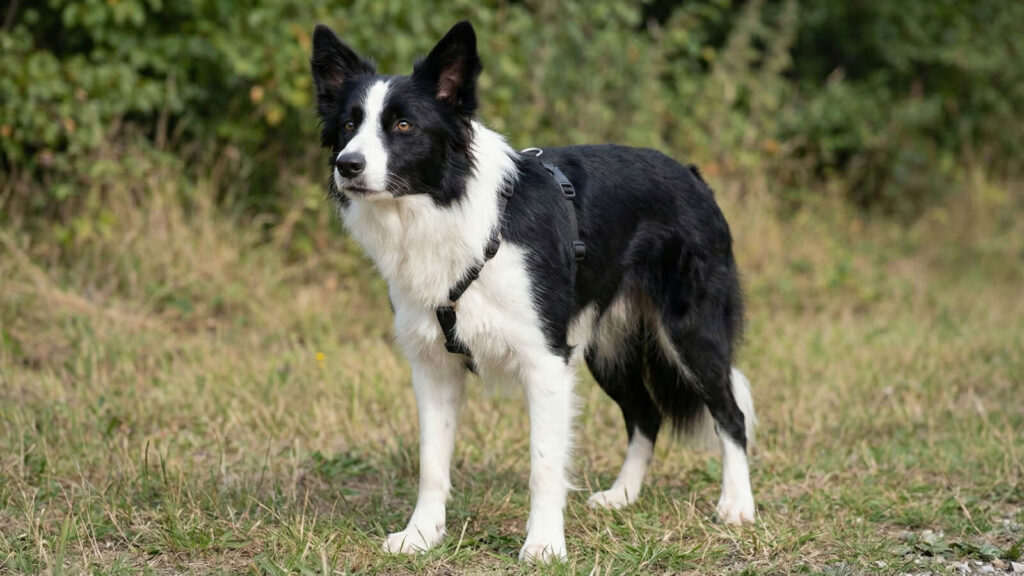
Experts prefer harnesses where the neck straps make a “Y” shape. This sits right on the sternum (breastbone).
- The Logic: The straps sit between the neck and the shoulder joint.
- The Result: The shoulder blades are free to move back and forth. Nothing gets in the way. It allows for full, natural motion.
2. Security: The “Houdini” Factor
Ask any walker their worst fear. It’s a dog slipping out of the gear in traffic. This usually happens when a dog gets scared. They turn around, face you, and pull backward.
- Fixed Neck vs. Adjustable Neck: Cheap gear usually has a fixed neck size. If the hole is big enough to slide over the dog’s head, guess what? It’s big enough for them to back out of, too. Pros look for 4-Point Adjustment. That means two sliders on the neck and two on the chest. You can tighten the neck after it goes over the head. This makes a snug fit. Backing out becomes much harder.
3. The “30-Second” Rule & Everyday Friction
You might have a reactive dog. Or maybe you are just in a rush. Either way, the time it takes to gear up matters.
- Step-in Harnesses: Walkers rarely use them. Why? Try asking a hyper dog to stand still and put its feet into two little holes. It doesn’t work well. It can even be unsafe.
- Head-In, Buckle-Up: The best design is simple. Slip the loop over the head. Then, buckle it around the body.
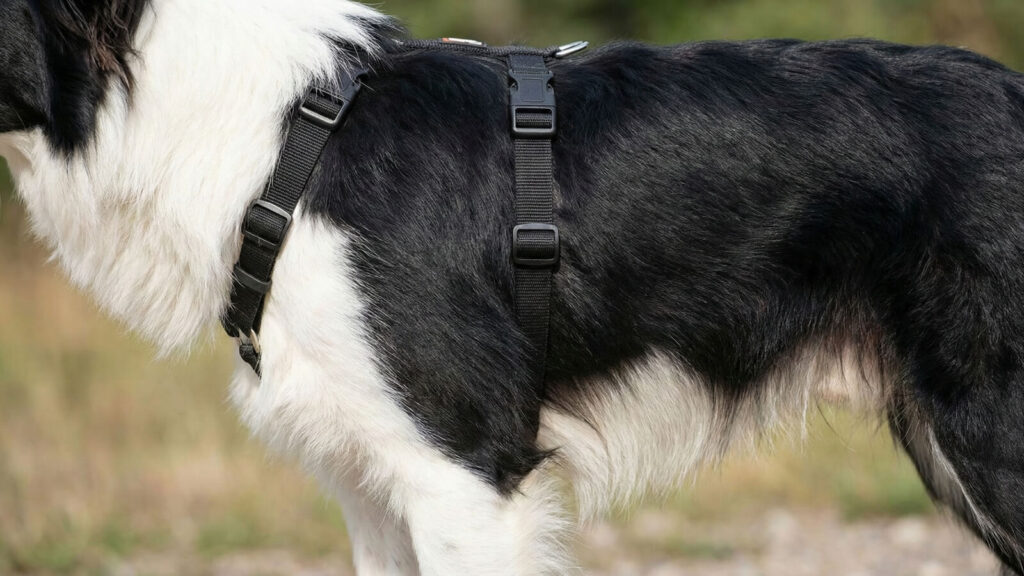
- Buckle Position: This is a small detail, but a big deal. Pros check where the buckles sit. They should be high on the ribs. Keep them away from the axilla (armpit). If the buckle sits too close to the armpit, it rubs against the skin. That causes painful chafing in just a few minutes.
4. Material Durability: Beyond the Shelf Appeal
Gear looks perfect in the shop. But what happens after mud, rain, and sun?
- The Mesh Trap: Thick, spongy mesh feels nice to our hands. But it acts like a sponge. If you live where it rains, it soaks up water. It gets heavy. It takes forever to dry. Plus, it grows bacteria (that’s where the “wet dog smell” comes from).
- Closed-Cell Solutions: Pros often stick to neoprene lining or thin, dense mesh. These materials keep water out better. They are also easier to wipe clean after a muddy walk.
- Hardware Integrity:
- Plastic (POM): High-quality polyoxymethylene buckles are better than standard plastic. Why? They stay flexible. They don’t shatter even when it freezes outside.
- Metal D-Rings: The spot where you clip the leash must be solid. Look for a welded ring. “Split rings” (like on a keychain) can bend open if the dog pulls hard.
Summary: The Rational Buying Checklist
If you are buying new gear for your dog, use this list to check it first:
- Shoulder Check: Put the harness on. Can you slide your hand easily between the strap and the dog’s shoulder blade? (Goal: Free movement).
- Armpit Clearance: Is there a two-finger gap between the front leg and the belly strap? (Goal: No rubbing).
- The Pull Test: Pull the harness forward over the head. Does it catch on the jaw, or does it slide right off? (Goal: Security).
Stop looking at just the style. Look at the structure. This ensures your walks aren’t just fashionable, but safe and comfortable for your dog.
Frequently Asked Questions
Q: Will a good harness stop my dog from pulling instantly?
A: To be honest? No. Equipment is a tool, not a magic wand. A harness with a Front Clip (a ring on the chest) helps a lot. It turns the dog sideways if they rush forward. This breaks their momentum. But for perfect loose-leash walking, you still need patience and training. The gear just makes the training easier.
Q: Is it okay to leave the harness on all day?
A: We wouldn’t recommend it. Think of it like wearing a backpack. It is fine for a hike, but you wouldn’t wear it while watching TV. Leaving it on 24/7 can rub the fur off or irritate the skin. Also, a bored dog might chew on the chest straps if they are left alone with it on.
Q: How do I know if the fit is right?
A: Use the “Two-Finger Rule.” You should be able to slide two fingers snugly between the strap and your dog’s body. If you can fit three or four fingers, it is too loose, and they might escape. If you can barely squeeze one finger in, it is too tight and might be uncomfortable.