E-mail Us at [email protected]
Call Us at Wingtu Pet | Whatsapp +1- 626 734 5510

Get A Quote
Why Fall Walking Demands a Gear Rethink
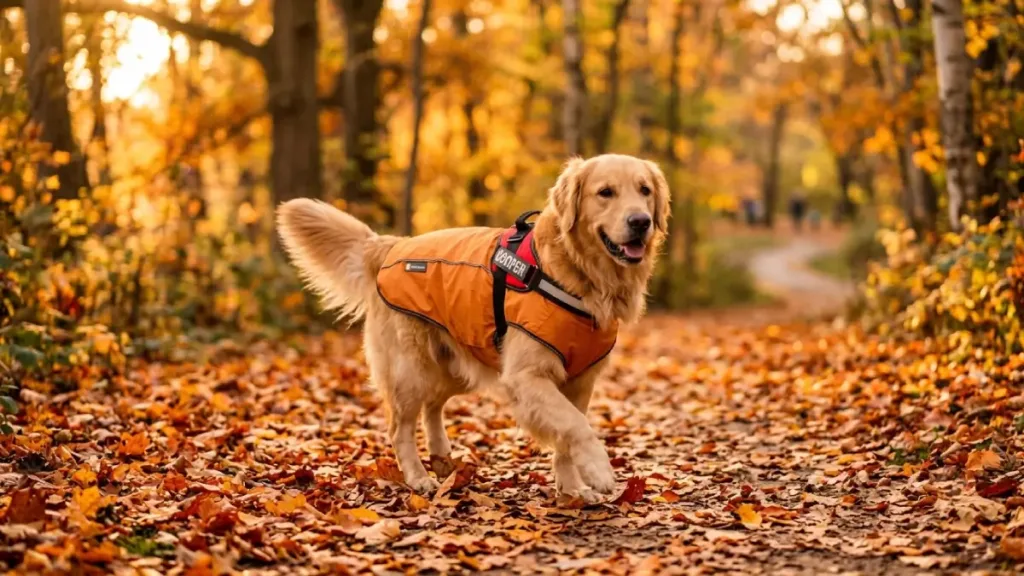
Fall is beautiful, but it brings unique challenges for dog walking — shorter daylight hours, unpredictable temperature swings, and sudden rain showers. After testing over a dozen fall walking gear setups, I’ve noticed most owners focus only on warmth while overlooking two bigger concerns: reflective visibility and weather protection.
September through November sees one of the highest rates of lost pets each year. The reason is simple — it gets dark early, and drivers can’t see dogs on the road. Data from the ASPCA shows that evening walk accident rates jump 37% during fall compared to other seasons. That’s not meant to scare you — it’s a reminder that a reflective harness could literally save your dog’s life.
Let me share what I’ve learned from years of testing gear through New England falls and rainy Pacific Northwest winters. The right setup isn’t complicated, but it does require thinking about your dog’s walk as a full system — not just a single harness.
Reflective Safety: Darker Evenings Call for Visibility
What Makes a Truly Reflective Harness
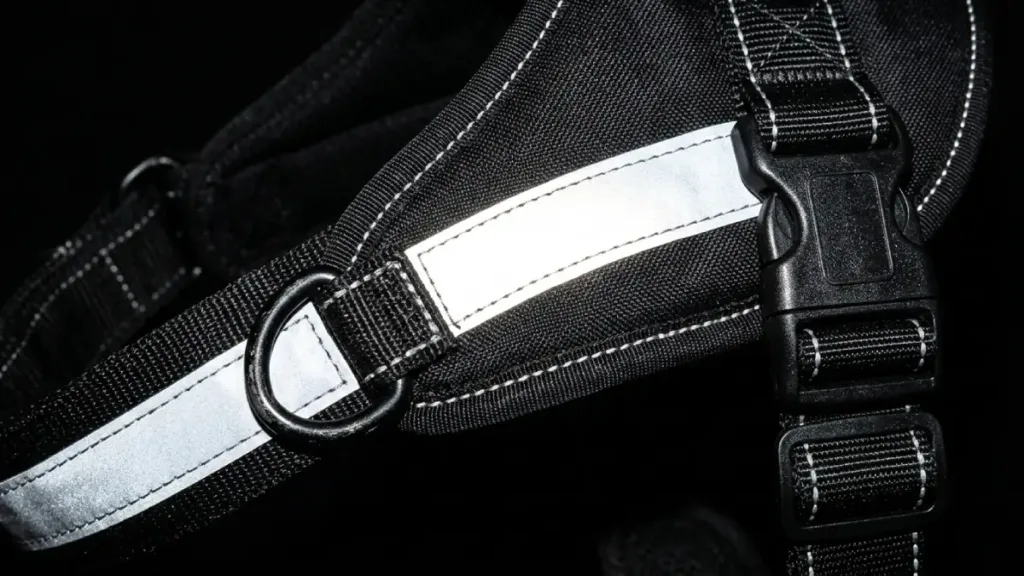
Plenty of products on the market claim to be “reflective,” but many just stitch on a few decorative reflective strips. A proper reflective harness should use 3M Scotchlite or equivalent high-visibility material that’s detectable from 150 meters away under headlights. Wingtupet’s Safety Paw Print Reflective H-Shaped Harness uses this type of material, with reflective zones on both front and back so your dog is visible no matter which direction they’re facing.
LED Backup Lighting
Beyond a reflective harness, LED lighting is your second line of defense for fall walks. Rechargeable LED collars or clip-on harness lights perform better in total darkness. Here’s my recommendation: use a reflective harness as your baseline and add LED lighting as a supplement. Together, they cover you in virtually any light condition.
Waterproof Options: Fall Rain Comes Out of Nowhere
Waterproof vs. Water-Resistant
A lot of owners mix these two up. Waterproof gear completely blocks water — it’s for heavy rain. Water-resistant gear handles light rain or brief showers but won’t hold up in a downpour. For everyday fall walks, a water-resistant Oxford fabric or coated nylon harness gets the job done. But if your dog loves rolling in wet grass or you live in a rainy area, go with a waterproof sealed-zip harness.
The Hidden Danger of a Wet Harness
A wet harness isn’t just uncomfortable for your dog. Moisture left to sit causes hardware rust, webbing mildew, and even skin allergies. I’ve seen several cases where owners forgot to dry the harness after rainy walks, and their dogs developed eczema in the armpit area. So here’s the habit to build: after a rainy fall walk, take the harness off and let it air dry completely.
Layering for Warmth: Dress Your Dog Like You Dress Yourself
The Three-Layer System
Fall temperatures bounce around, so layering is the smartest approach:
- Base layer (moisture-wicking): A thin fleece or wool sweater that sits close to the body but isn’t tight. Great for single-coated breeds like Golden Retrievers and Labradors.
- Mid layer (insulation): A down or synthetic fiber vest — choose thickness based on the day’s temperature. Short-haired breeds like French Bulldogs and Chihuahuas absolutely need this layer.
- Outer layer (wind/water protection): A hooded windbreaker or waterproof jacket worn over the harness. Key point: the harness goes on top of all layers, not sandwiched between them.
Adjusting Your Harness for Layering
When your dog is wearing layers, the harness size needs to change. I always recommend measuring the chest circumference after your dog is fully dressed, then picking the size accordingly. A lot of owners size the harness based on their dog’s bare measurements, then find it’s too tight once the thick coat goes on. Wingtupet’s adjustable H-Shaped Harness handles this well — it has a wide adjustment range that accommodates different layer thicknesses.
Recommended Fall Gear Setups
Setup One: Daily City Walks
- Reflective H-Shaped Harness (baseline safety)
- Lightweight water-resistant mid-layer jacket
- LED flashing collar light
Setup Two: Weekend Hiking
- Multifunctional Outdoor Chest Strap (with handle and attachment points)
- Waterproof shell jacket
- Fleece base layer
- Reflective leash
Setup Three: Quick Rainy Walks
- Waterproof coated harness
- Packable waterproof jacket
- Reflective raincoat (optional)
Transitioning Your Dog’s Gear Between Seasons
One thing most guides don’t talk about is the actual transition period. You don’t wake up one morning and it’s suddenly fall — the change is gradual, and your dog’s gear should change gradually too.
I recommend a two-week transition window. Start by introducing the reflective harness while the days are still long, so your dog gets used to the feel before they actually need it for dark walks. Then add the water-resistant layer when the first significant rain hits. Finally, bring in the insulation layer when nighttime temperatures consistently stay below 10°C (50°F).
The mistake I see most often is owners waiting until the first cold snap, then suddenly putting a thick jacket and unfamiliar harness on their dog all at once. That’s overwhelming for the dog and frustrating for the owner. Spread the change out.
Testing Your Gear Before You Need It
Here’s a practical tip: take your dog on a short evening walk before the clocks change, even if you don’t need the reflective gear yet. This lets you check that the reflective strips still work (hold a phone flashlight to them from 50 feet away), that the waterproof coating hasn’t degraded over the summer, and that the adjustment buckles still move freely. It’s better to discover a stuck buckle on a Tuesday evening practice walk than on a dark, rainy Wednesday morning when you’re already late.
Also check your own gear. Your hands-free leash waist belt, your jacket pockets, your poop bag holder — fall is when you need all your layers working together. There’s nothing worse than fumbling for a poop bag with cold, wet hands because you didn’t check that your jacket still has working pockets.
Seasonal Gear Checklist
Every fall, run through this quick check:
- Are the reflective strips still bright? Reflective materials fade with washing and wear.
- Any rust on the hardware? Hit the buckles with a little WD-40 before the wet season starts.
- Any webbing wear? Higher activity in fall means more friction — inspect straps closely.
- Does the size still fit? Dogs gain or lose weight over summer. Adjust accordingly.
Quick Reference: Fall Gear Decision Guide
Still unsure what your dog needs? Here’s a simple decision flow based on your situation:
- City walker, well-lit streets: Reflective H-shaped harness + LED collar light. Skip the waterproof layer unless rain is in the forecast.
- City walker, poorly lit streets: Reflective harness with 3M material + LED clip-on light + waterproof coating. Visibility is your top priority.
- Suburban or rural walker: Full reflective setup + insulation layer for cold mornings + waterproof shell for unexpected weather.
- Weekend hiker: Multifunctional outdoor harness with handle + waterproof shell + fleece base layer. Prioritize gear versatility and storage options.
- Short-coated breed (Doberman, Boxer, Greyhound): Insulation is non-negotiable below 7°C (45°F). Add a fleece mid-layer under the harness.
- Double-coated breed (Husky, Malamute, Golden Retriever): Don’t overheat them. A reflective harness and light water-resistant shell are usually enough unless temperatures drop below -5°C (23°F).
Fall walking doesn’t have to be complicated. Pick the right gear for your specific situation, transition gradually, and both you and your dog will enjoy the season’s best walks.
One final thought: the gear matters, but the routine matters more. A reflective harness only helps if you actually use it. A waterproof layer only works if you put it on before it starts raining. Build these habits into your daily walk routine — leash up, check the weather, grab the right gear — and you’ll be ready for whatever fall throws at you.
The dog gear industry doesn’t always make this easy. There are hundreds of options, and a lot of them are mediocre. But the fundamentals are simple: visibility, dryness, warmth. Get those three right, and your dog’s fall walks will be safer and more enjoyable for both of you.
Ready to build a custom fall gear line for your pet brand? Wingtupet offers end-to-end custom dog harness solutions — reflective, waterproof, insulated, or any combination you need — from sample to bulk production. Get a quote today.