E-mail Us at info@wingtupet.com
Call Us at Wingtu Pet | Whatsapp +1- 626 734 5510

Get A Quote
Let’s be real for a second. You are browsing online for some new dog gear. You see a “Tactical No-Pull Harness” for $15.99. Right next to it, there is a brand-name option. It looks almost the same. But the price tag? It says $85.
You pause. You wonder, “Is the expensive one actually five times better? Or am I just paying for a fancy logo?”
It is a fair question. On your screen, a black strap looks like a black strap. But I have spent years looking at how pet gear is made. I can tell you that the difference is not just marketing. It is engineering.
We are going to dig into the truth. From the tiny fibers in the nylon dog harness to the plastic in the buckle, here is why some gear is throwaway, and why other gear might save your dog’s life.
1. The Material Myth: Not All “Nylon” Is the Same
This is the biggest trick in the book.
Many cheap harnesses claim to be nylon. But often, they aren’t. They are made of something called Polypropylene. Or, they use a low-grade mix of recycled fibers.
The Cheap Stuff: It feels stiff. It feels a bit like a plastic packaging strap.
- The risk: It hates the sun. If you leave it in the backyard or go for summer walks, UV rays destroy it. It gets brittle. One day, your dog spots a squirrel. They lunge. Snap. The strap breaks because the fibers are weak.
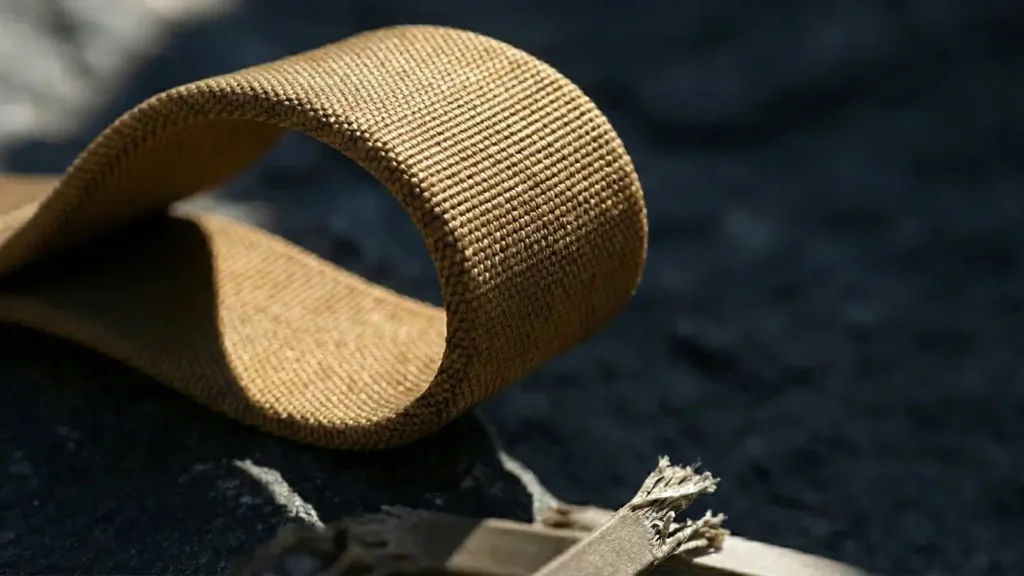
The Real Deal (Cordura & Mil-Spec): A heavy-duty dog harness usually uses Cordura or military-grade webbing.
- The difference: Touch it. It feels smooth. It is often “tubular.” That means the edges are rolled, not sharp. It won’t saw into your dog’s skin. This material is made for climbing gear, not grocery bags. It stays strong for years, not months.
2. Hardware: The “Click” of Confidence
The most dangerous part of a harness is the buckle. If it fails, your dog is loose.
The Generic Plastic Trap: Budget gear uses basic plastic. It works fine inside the house. But what about outside? If you live in a cold place, cheap plastic freezes. It becomes like glass. If a big dog pulls hard on a freezing day, that buckle can shatter.
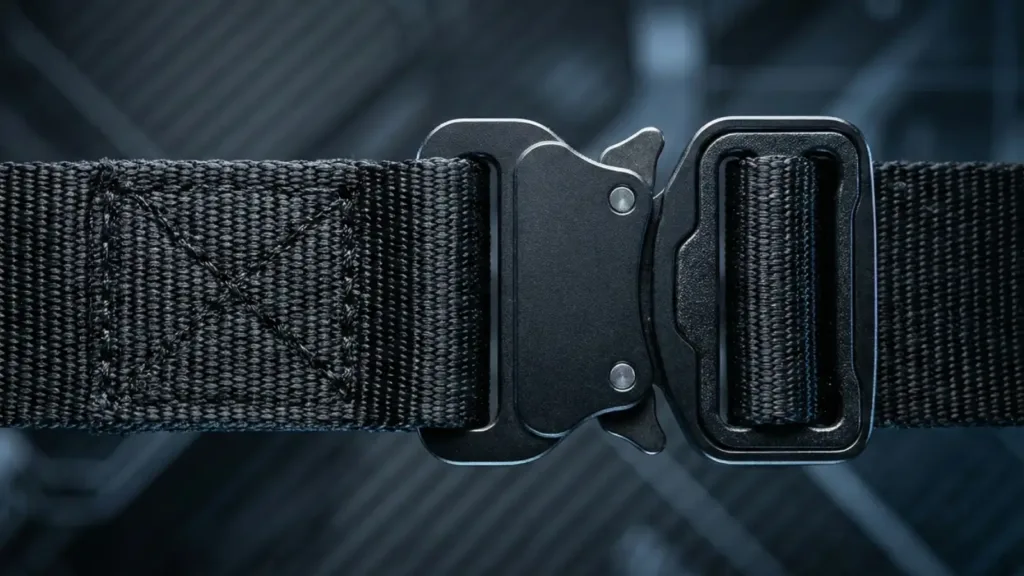
The Professional Standard: Pricey gear doesn’t use mystery plastic. They use brands you can trust, like Duraflex or ITW Nexus.
- Why it matters: These buckles are engineered. They bend; they don’t break. Lately, high-end tactical dog harness brands are even moving to metal clips or magnetic Fidlock buckles. They are overkill for a Chihuahua. But for a 70lb Lab? They are essential dog harness safety features.
3. Stitching: The Invisible Safety Net
Turn the harness inside out. This is where you see where your money went.
Single Stitching: On a $15 harness, look at where the leash connects. Is it just a single row of thread? That is a problem. Over time, that thread pulls loose. It unravels.
Bartack Stitching: Look at a premium no-pull harness. You will see a dense, zig-zag pattern of thread. This is called a Bartack.
- It is the same stitching used on parachutes. It locks the nylon fibers together. It ensures that the D-ring (the metal ring for the leash) will never rip out, no matter how hard your dog pulls.
4. The Fit: Comfort vs. Restriction
Finally, let’s talk about how it moves.
Cheap harnesses are often just strips of webbing sewn together. They don’t account for anatomy. They often sit right across your dog’s shoulders. This restricts their movement. It changes how they walk. It can even hurt their joints over time.
A quality best dog harness for hiking is designed differently.
- They usually have a “Y-shape” front.
- This keeps the shoulders free.
- They have padding (like neoprene) that protects the armpits from chafing.
You are paying for a design that lets your dog run naturally, without rubbing their skin raw.
Conclusion: Is It Worth It?
So, do you need a $100 harness for a tiny dog that only sleeps on the couch? Probably not.
But if you have an active dog, or a dog that pulls, the math changes. A cheap harness is an expense. You will replace it when it frays or breaks. A high-quality nylon dog harness is an investment. It protects your dog. It lasts for years.
Next time you shop, look closely. Check the buckle brand. Feel the webbing. Look for that zig-zag stitching. Your dog relies on that gear. Make sure it is up to the job.
Frequently Asked Questions
Q1. How long will a cheap nylon dog harness actually last? A: It varies. If you walk every day in the sun, UV rays weaken cheap plastic and webbing quickly. You might see fraying or fading in just six months. However, a high-end tactical dog harness made with Cordura? It often lasts for the dog’s entire life. You basically buy it once, and you are done.
Q2. Can I wash a heavy-duty dog harness in the machine? A: Usually, yes. But here is a pro tip. Put it in a mesh laundry bag (or an old pillowcase) first. This stops the heavy metal hardware from banging against your washer drum. Use cold water and mild soap. Never put it in the dryer; the heat can damage the fibers. Just let it air dry.
Q3. My dog is in between sizes. Which one should I pick? A: This is tricky. On a cheap harness, sizing is often weird and doesn’t adjust much. On a quality brand, look for models with “5 points of adjustment.” If you are unsure, usually size up, but make sure the straps can tighten down enough. A good fit means you can fit two fingers under the strap, but no more.