E-mail Us at info@wingtupet.com
Call Us at Wingtu Pet | Whatsapp +1- 626 734 5510

Get A Quote
If you own a Shiba Inu, a Corgi, or a Frenchie, you know the struggle. It’s real. You buy a highly-rated vest online. It looks great in photos. But when you put it on your dog? Disaster.
Maybe your Shiba does that “backing up” dance and slips out like magic. Or perhaps the straps rub your Corgi’s armpits raw because their legs are so short.
Standard gear just doesn’t work for these guys. They aren’t built like the average Labrador. Their bodies are unique. Because of that, they need specific gear.
I’ve dug through the latest trends and vet advice from the last few months. Here is how to pick a safe, comfy dog harness for deep chested dogs and other tricky shapes without wasting your money.
1. The “Why”: Understanding Their Weird Shapes
Before you shop, you have to know why the fit is always wrong. It’s not just about size. It’s about bone structure.
- The Shiba Inu (The Escape Artist): These dogs are smart. They are also flexible. A Shiba often has a neck that is thicker than its head. Plus, they have that thick double coat. If they get scared and pull backward, a regular collar or vest slides right off. It’s scary how fast it happens. You need an escape-proof dog harness for backing out.
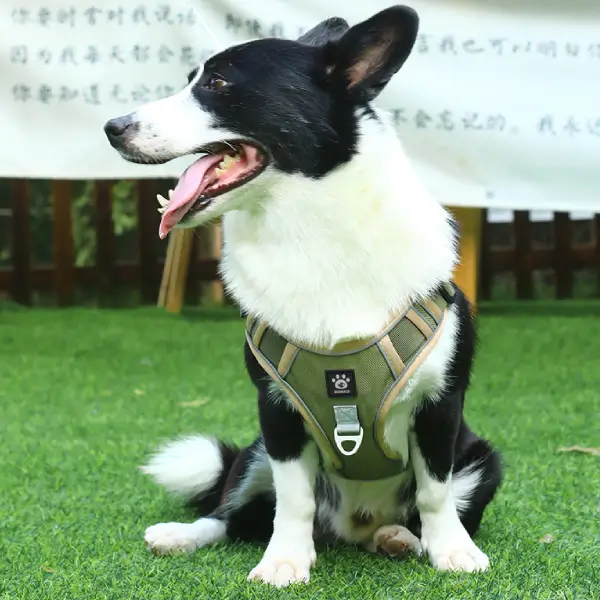
- The Corgi (The Low-Rider): Corgis have a deep chest but very short legs. The biggest issue here is the “armpit zone.” Most harnesses have a side strap that sits too close to the front leg. When the Corgi walks, that strap rubs against their skin. Ouch. Also, their backs are long. A bad fit can hurt their spine over time.
- The Frenchie/Bulldog (The Tank): They have huge chests and almost no neck. You have to be careful not to put pressure on their throat. They already have a hard time breathing.
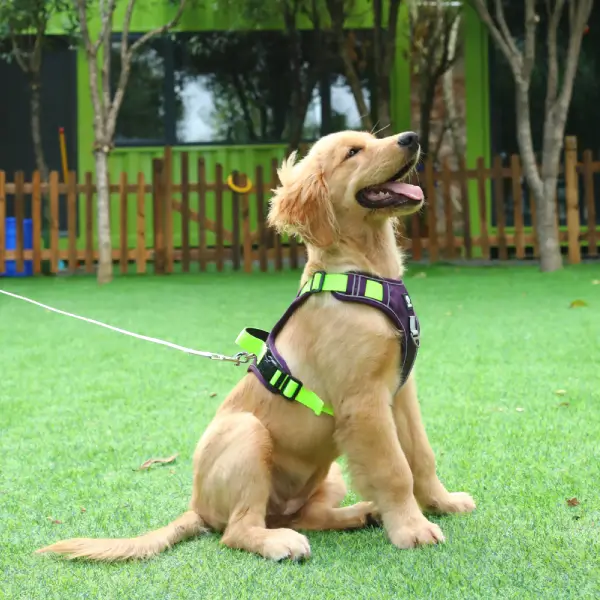
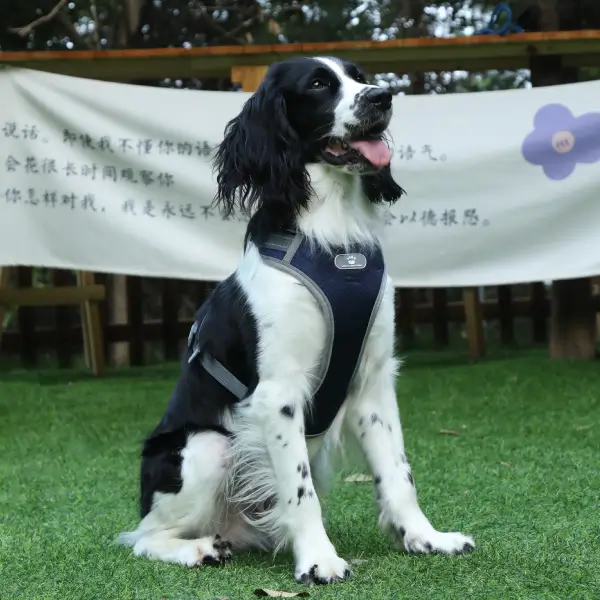
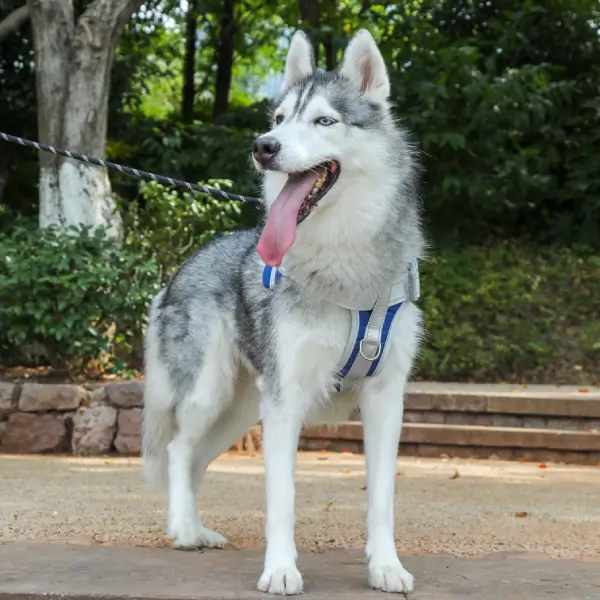
2. The Golden Rule: Pick the “Y”, Ditch the Bar
If you take one thing from this guide, let it be this. Look for a Y-harness.
Avoid the harnesses that have a straight strap going across the chest (often called “Norwegian” style).
Why the “Y” wins: A Y-harness looks like the letter Y on your dog’s chest. The center sits on the breastbone. This is strong bone, not soft throat.
- Freedom to Move: Dogs like Corgis need to reach forward with their front legs. A straight bar across the chest stops this. It shortens their step. Over time, this messes up their joints. The Y-harness leaves the shoulders completely open.
- Safety: The neck hole on a Y-harness is usually smaller than the belly strap. This makes it harder for the dog to pull back and slip out.
3. The “Houdini” Solution: The 3-Point Harness
Do you have a Shiba that is a master of escape? A standard Y-harness might not be enough.
Lately, I’ve seen a huge spike in people using the 3-point safety harness for dogs.
How it works: Most harnesses have two straps. One goes around the neck, one around the chest. The 3-point version adds a third strap. This one goes further back, around the waist.
A dog’s waist is usually skinnier than its chest. If the dog tries to back out, that third strap gets stuck on the ribs. They can’t get loose. It is the safest bet for fearful dogs or “flight risks.”
4. New Features to Look For
Gear is getting better. Based on recent searches and user reviews, look for these specific features:
- 4-Point Adjustment: Don’t buy “one size fits all.” It’s a lie. You need buckles on the neck and the chest. For a Corgi, you might need to shorten the chest strap but lengthen the belly strap. Adjustability is key.
- Front Clip (No-Pull Ring): Does your dog pull like a train? Get a harness with a metal ring on the front (chest). When they pull, the leash turns them sideways. It stops the pulling without choking them. This is vital for preventing Corgi back problems caused by straining.
- Lightweight Mesh: For double-coated dogs like Shibas, thick padding gets hot. Look for “Air Mesh” or thin, strong webbing.
5. Size Matters: Do Not Guess!
Sizes are weird. A “Small” in one brand is a “Large” in another. Never buy based on weight alone.
Grab a tape measure. You need two numbers:
- Neck Girth: Measure low, right where the neck meets the shoulders.
- Chest Girth: Measure the widest part of the ribs, just behind the front legs.
Pro Tip for Corgi Owners: check the length of the bottom strap (the part that goes between the front legs). If it is too short, the belly strap will dig into their armpits. If you are learning how to measure a dog for a harness, always check this clearance.
Final Thoughts
Your dog is unique. Their gear should be too.
Don’t settle for the cheap, stiff vest at the grocery store. For your Shiba or Corgi, invest in a fully adjustable Y-harness. If they are escape artists, go for the three-strap safety design. It saves you stress, and it keeps your best friend safe and comfortable.
Ready to shop? Go grab your tape measure right now. It takes thirty seconds, and it ensures you get the perfect fit the first time.