E-mail Us at info@wingtupet.com
Call Us at Wingtu Pet | Whatsapp +1- 626 734 5510

Get A Quote
You are scrolling through Instagram or Amazon. You see it. The “Tactical K9 Vest.” It looks tough. It is made of thick military nylon. It has buckles that could tow a truck. And the price? It makes your wallet hurt.
I bought one. Actually, I bought three.
I thought “sturdy” meant “safe.” I thought if I bought the strongest material on earth, my dog was secure.
I was wrong.
It took a lot of wasted money to learn this. I dealt with weird chafing marks. My dog started refusing to walk. Then, the worst thing happened. My dog backed out of his “indestructible” harness.
That is when I learned the truth. It does not matter how strong the gear is if the dog harness fit is bad.
Here is why 2026 is the year we stop buying “tanks” for our dogs. It is time to start buying gear that actually fits.
1. The Trap of “Heavy-Duty” Gear
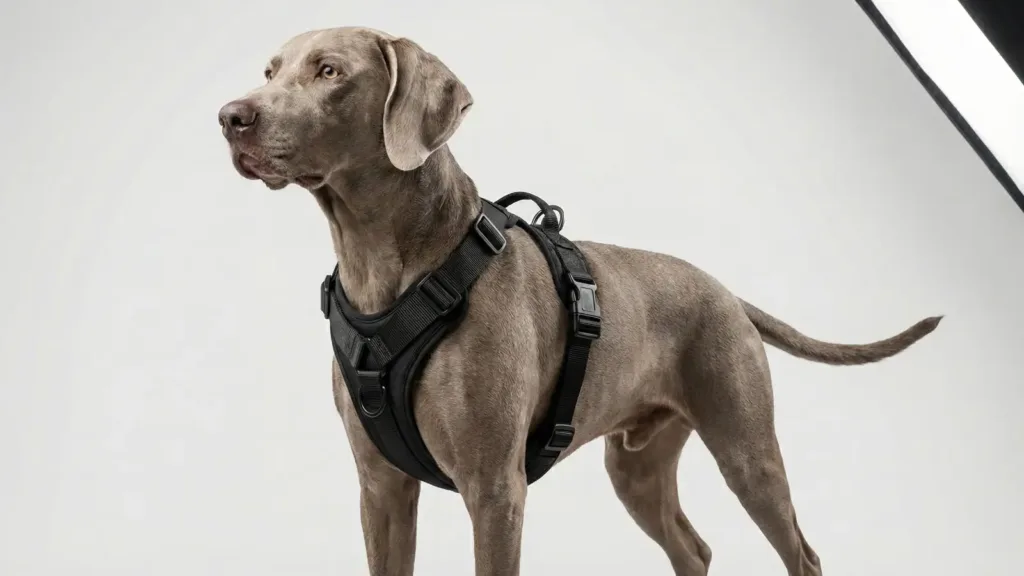
Right now, everyone wants “Tactical” gear. It looks cool. It promises total control. But for most family dogs, it is too much. In fact, heavy-duty dog gear can be risky.
The problem? The material is too thick. It is stiff. It does not move.
- The Gap Problem: Stiff fabric does not hug the body. Does your dog have a deep chest? Or a narrow waist? A stiff harness will leave big gaps.
- The Escape Artist: A “sturdy” harness has a fixed shape. If your dog gets scared, they pull backward. That hard shape acts like a funnel. They slip right out.
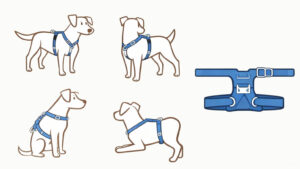
You want an adjustable dog harness. It is flexible. It creates a snug “hug.” When the dog pulls, it collapses slightly against the body. This is what makes it a true escape-proof dog harness.
2. Why You Need 5 Points of Adjustment
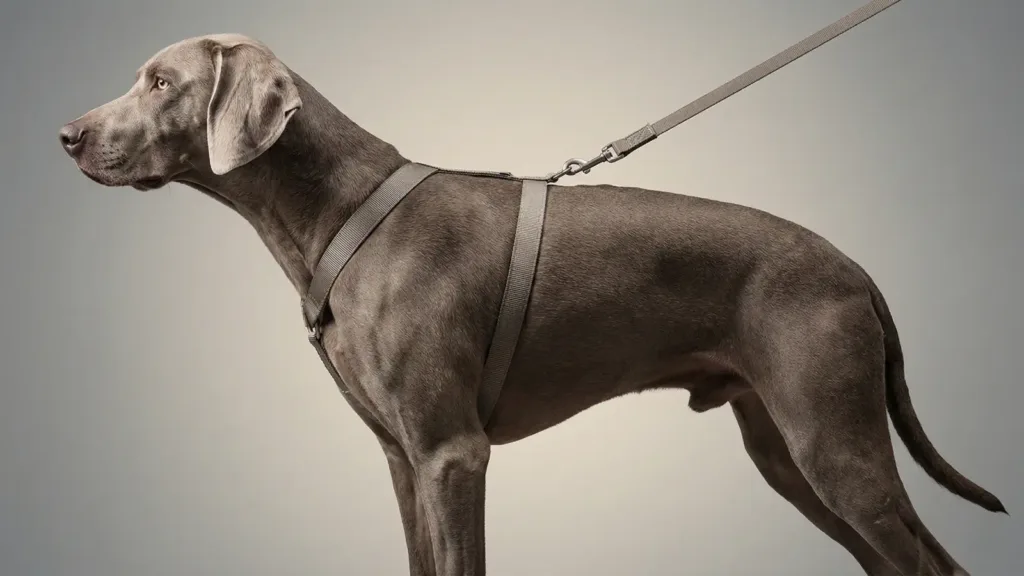
Old harnesses had two straps. One for the neck. One for the chest. That is not enough anymore.
Today, safe gear needs 4 to 5 adjustment points.
Why is this a big deal? Because dogs are not shaped like cylinders.
- Neck vs. Chest: Two dogs can weigh 50lbs. But their neck sizes? Totally different. A stiff harness usually comes in S, M, or L. It has little wiggle room. An adjustable one lets you change the neck loop without changing the chest strap.
- Body Changes: Your dog changes. Winter fur grows in. Summer coats shed. Maybe they gain a few pounds over the holidays.
- The “Y” Shape: Experts love the Y-shape harness. It protects the throat. But for it to work, the center strap must be adjustable. If that strap is too long, the harness slips. If it is too short, it chokes. “Sturdy” brands often skip this detail.
3. The Hidden Pain: Friction Burns
This part makes me feel guilty. It is the real reason I stopped using the heavy vest.
I noticed my dog hiding when I grabbed the leash. I thought he was being lazy.
He wasn’t lazy. He was hurt.
Stiff materials rub against the skin. If you can’t micro-adjust the fit, the harness slides. It moves back and forth with every step.
- The Armpit Saw: If you cannot change the belly strap length, the harness sits right behind the front legs. It rubs. This is the main cause of dog chafing from harness straps.
- Shoulder Lock: A harness that is too big slides forward. It sits on the shoulders. It stops your dog from extending their legs fully. Over time, this can actually hurt their muscles.
The Lesson: A $20 harness that fits well is safer than a $100 harness that rubs.
4. What to Look For (Forget “Tensile Strength”)
So, you want to upgrade. Stop looking at “pounds of pressure.” Start looking for these features to find the best dog harness for walking:
- Sliders everywhere: Look for sliders on the neck. Look for them on the chest. And look for them on the sternum strap (the piece between the legs).
- Strap keepers: Good harnesses have little loops. They tuck away the extra strap so it doesn’t flap around.
- Moveable padding: Some new gear lets you slide the pads along the strap. This keeps the plastic buckles off your dog’s skin.
Conclusion: The Two-Finger Check
I am not saying you should buy cheap gear. Durability is good. But durability without fit is just a straightjacket.
Before you walk your dog tomorrow, do this simple test.
- Put the harness on.
- Can you slide two fingers (flat) between the strap and your dog?
- Do this at the neck. Do it at the chest. Do it under the belly.
If you can fit a whole hand, it is too loose. If you can’t fit a finger, it is too tight.
If your “sturdy” harness doesn’t let you get that perfect fit, get rid of it. Your dog’s safety depends on the fit, not the thickness of the nylon.
Frequently Asked Questions
Q: Aren’t adjustable harnesses weaker than those thick tactical vests? A: Not at all. High-quality adjustable gear uses strong nylon webbing. The reality is, a “sturdy” vest that doesn’t fit right is actually less safe because your dog can slip out of it. Safety comes from the fit, not just the thickness of the fabric.
Q: How can I tell if the harness is chafing my dog before I see a sore? A: Watch how they walk. If your dog creates a “short stride” (taking smaller steps) or scratches at their armpits after a walk, that is a warning sign. Also, look for broken or thinning fur in the armpit area. This usually means the dog harness fit is too loose and is rubbing against the skin.
Q: Is a Y-shape harness really better than a strap across the chest? A: Yes, veterinarians prefer them. A horizontal chest strap (often found on heavy-duty gear) cuts across the shoulders. This restricts your dog’s natural movement. An adjustable dog harness with a Y-front allows the shoulders to move freely, which is much better for their long-term joint health.